

In today’s fast-moving world, weight loss has become a billion-dollar industry fueled by urgency and impatience. From injectable medications to bariatric surgery and viral TikTok diet hacks, modern solutions promise dramatic results in record time. Women, in particular, face immense pressure to “snap back” after pregnancy, fit into a certain dress size, or maintain a picture-perfect social media image.
But amid all the noise, one timeless principle continues to outperform the rest: portion control.
While flashy solutions trend for a season, portion control quietly delivers sustainable results year after year. It is simple, adaptable, affordable, and most importantly, maintainable for life.
The Era of Quick Fixes
We live in an age where convenience shapes decisions. If something takes too long, we look for a shortcut. That mindset has heavily influenced how people approach weight loss.
Today’s popular options include:
- Weight loss injections that suppress appetite
- Bariatric procedures such as gastric bypass or sleeve surgery
- Extreme calorie-restriction diets
- Detox teas and slimming supplements
- “One-meal-a-day” trends
Some of these methods can lead to rapid weight reduction. However, speed does not always equal sustainability.
Bariatric surgery, for example, physically reduces stomach size to limit food intake. While it can be life-saving for individuals with severe obesity and related health complications, it also carries medical risks, financial costs, and long-term nutritional challenges. Supplements and fad diets often deliver temporary results, but many people regain the weight once normal eating resumes.
Quick fixes rarely address the core issue: eating habits.
Why Many Women Turn to Surgical Shortcuts
The decision to pursue surgical or medical weight loss solutions is deeply personal. For some, it is medically necessary. For others, it is influenced by societal pressure and the desire for immediate transformation.
Social media intensifies comparison. Before-and-after photos circulate widely, creating the illusion that dramatic weight loss should happen within weeks. Influencers openly discuss procedures, often framing them as empowerment.
There is no shame in choosing medical support. However, it is important to understand that surgery does not replace discipline. Even after bariatric procedures, patients must adopt smaller portions and healthier food choices to maintain results.
In essence, the principle of portion control still applies.
Portion Control: The Science Behind It
Weight loss ultimately comes down to energy balance. When you consume fewer calories than your body uses, you lose weight. This concept is not trendy; it is biological.
Portion control directly manages calorie intake without eliminating entire food groups. Instead of banning carbohydrates or swearing off favorite meals, you simply adjust quantity.
For example:
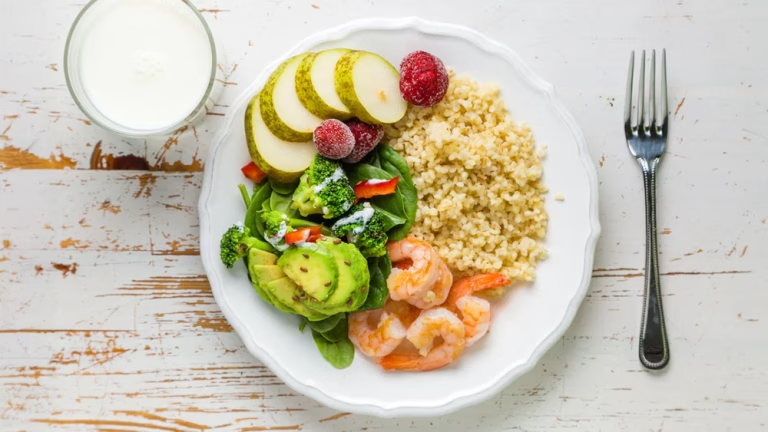
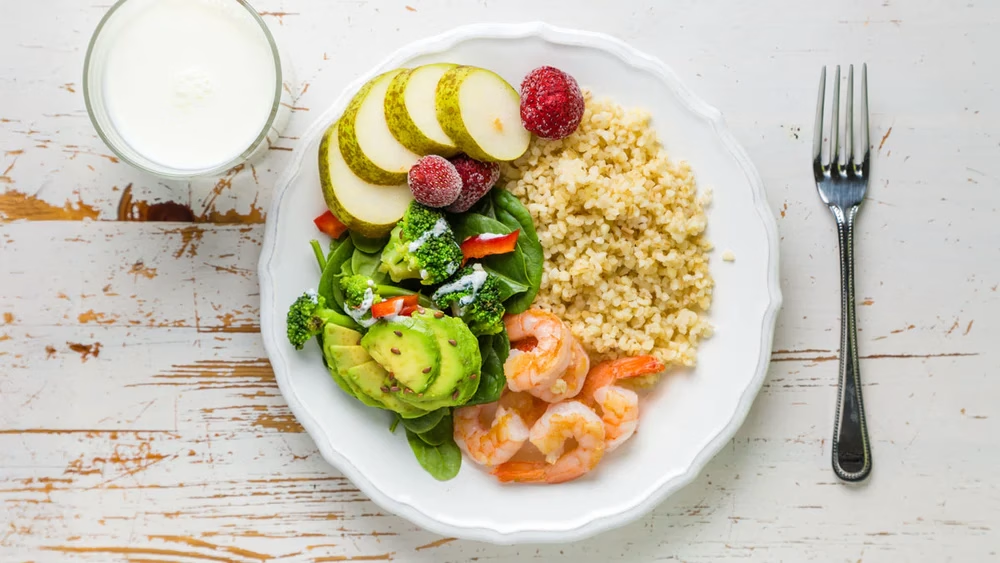
- A standard serving of cooked rice is about one cup, not a heaping plate.
- A portion of meat should roughly match the size of your palm.
- Cooking oil, though healthy in moderation, contains about 120 calories per tablespoon.
These small adjustments accumulate over time. Reducing daily intake by just 300 calories can lead to significant weight loss over several months without extreme deprivation.
Unlike crash diets, portion control allows balance. You can still enjoy chapati, ugali, or pasta, but in mindful amounts.
Sustainability Beats Speed
Rapid weight loss can feel motivating at first. However, the body often responds to drastic restriction by slowing metabolism and increasing hunger hormones. This biological response makes long-term maintenance difficult.
Portion control works differently. It trains the body gradually. Hunger levels stabilize. Metabolism remains steady. Habits shift naturally.
Sustainability matters more than dramatic beginnings. Losing one kilogram per month consistently for a year equals 12 kilograms lost. That steady progress is easier to maintain than losing 15 kilograms in three months and regaining 10.
Slow change may not trend on social media, but it transforms real lives.
Financial and Health Advantages
Modern weight loss methods can be expensive. Surgical procedures cost thousands. Injections require continuous prescriptions. Specialized meal plans strain monthly budgets.
Portion control costs nothing.
It does not require a gym membership or imported supplements. You use the same groceries you already buy. The difference lies in measurement and awareness.
Health-wise, moderate eating reduces the risk of nutrient deficiencies. Extreme dieting sometimes leads to fatigue, hair thinning, hormonal imbalance, and weakened immunity. Balanced portions preserve energy while supporting overall wellness.
Your body thrives on consistency.
Psychological Freedom
Restrictive dieting often creates a cycle of guilt and bingeing. Labeling foods as “bad” increases cravings. When willpower breaks, shame follows.
Portion control removes moral judgment from food. Nothing is forbidden; it is simply moderated.
This mindset reduces emotional stress around eating. You learn to stop when satisfied instead of stuffed. Over time, your brain recognizes appropriate fullness signals.
Mindful eating also strengthens self-trust. You become aware of hunger cues instead of reacting impulsively.
That confidence extends beyond weight loss into overall self-discipline.
How to Practice Portion Control Effectively
Portion control is simple, but it requires intention. Here are practical strategies that work:
- Use smaller plates. Visual perception influences satisfaction. A full small plate feels more satisfying than a half-empty large one.
- Measure high-calorie foods initially. Use measuring cups for rice, pasta, and oils until you can estimate accurately.
- Pause before seconds. Wait 10–15 minutes before serving more. Hunger often fades once the brain registers fullness.
- Prioritize protein and vegetables. They increase satiety and reduce overeating.
- Avoid eating directly from packages. Serve snacks into a bowl to prevent mindless consumption.
- Stay hydrated. Sometimes thirst mimics hunger.
These habits require discipline, but they do not demand perfection.
The Role of Patience
One reason people abandon portion control is impatience. Results may appear slower than with aggressive methods.
However, long-term success depends on repeatable behaviors. The best weight loss plan is the one you can follow for years.
Surgery alters anatomy. Medication influences hormones. Portion control reshapes habits.
Habits outlast trends.
When Medical Intervention Is Necessary
It is important to acknowledge that medical weight loss interventions serve a critical purpose for some individuals. People with severe obesity, diabetes, hypertension, or sleep apnea may require structured medical treatment.
Portion control does not replace professional care in such cases. Instead, it complements it. Even patients who undergo surgery must adopt smaller servings permanently to prevent complications.
Sustainable success still revolves around managing intake.
Why Portion Control Always Wins
At its core, weight management is not about extremes. It is about balance.
Portion control respects cultural foods. It adapts to different lifestyles. It supports social dining without isolation. It teaches awareness rather than avoidance.
Trends come and go. New injections will emerge. Another celebrity will promote a miracle detox. A fresh diet will dominate headlines.
Yet the foundational truth remains unchanged: controlling how much you eat determines long-term results more than any shortcut.
You do not need to starve. You do not need surgery unless medically advised. You need consistency.
Portion control wins because it is practical. It works because it aligns with human biology. It lasts because it builds discipline rather than dependency.
In a world obsessed with instant transformation, sustainable habits remain the real power move.
Choose the method that supports your future self, not just your next photo.
More Stories:https://www.whispers.co.ke/
