

In Kenya’s competitive retail space, few supermarket brands have grown as steadily and quietly as Eastmatt Supermarkets. While giants have risen and fallen, Eastmatt has carved its place in Nairobi and beyond by focusing on consistency, affordability, and strategic location choices.

But many shoppers still ask: Who owns Eastmatt Supermarkets?
This article explores the ownership, leadership, business model, and the strategy that has helped Eastmatt expand in a market where many others have struggled.
Who Owns Eastmatt Supermarkets?
Eastmatt Supermarkets is owned by Kenyan entrepreneurs of Asian descent, led by businessman Ramesh Kanani and his family. The Kanani family has played a central role in building the brand from a modest retail outlet into a recognized supermarket chain.
Unlike publicly listed retailers, Eastmatt remains a privately owned family business. This gives the owners tighter control over operations, expansion decisions, and financial management.
Private ownership has also allowed Eastmatt to grow steadily without exposing the company to the pressure of shareholders or public market volatility.
The Founder’s Background
Ramesh Kanani is part of Kenya’s long-standing Asian business community, which has historically played a significant role in trade and retail across the country.
Instead of rushing into aggressive nationwide expansion, the leadership focused on:
- Strong supplier relationships
- Efficient stock management
- Prime but affordable branch locations
- Maintaining customer trust
This cautious but deliberate approach has shaped Eastmatt’s reputation.
When Was Eastmatt Founded?
Eastmatt Supermarkets was founded in the early 1990s. It began as a small retail store serving local neighborhoods before gradually expanding into a chain of branches, especially within Nairobi.
Over the years, the brand has grown its footprint in areas such as:
- Nairobi CBD
- Parklands
- Eastlands
- Thika Road area
- Other selected urban neighborhoods
Instead of rapid expansion into every county, Eastmatt chose strategic urban locations with high population density and strong purchasing power.
How Eastmatt Survived When Others Collapsed
Kenya’s supermarket sector has witnessed major collapses over the past decade. Chains that once dominated headlines struggled under debt, poor management, and supplier disputes.
While competitors like Nakumatt and Uchumi Supermarkets faced financial distress, Eastmatt continued operating without dramatic public scandals.
Why?
Here are key reasons:
1. Conservative Expansion
Eastmatt did not expand faster than its financial capacity.
2. Controlled Debt
The company avoided overreliance on heavy borrowing.
3. Strong Supplier Relationships
Retail survival in Kenya depends heavily on maintaining supplier trust. Eastmatt maintained smoother payment cycles compared to struggling rivals.
4. Focus on Everyday Essentials
Instead of luxury positioning, Eastmatt focused on daily household goods — groceries, toiletries, fresh produce — ensuring consistent foot traffic.
Business Model: How Eastmatt Makes Its Money
Like most supermarkets, Eastmatt earns revenue through:
- Product markups
- Bulk purchasing discounts
- Private label goods
- Strategic pricing
However, its competitive edge lies in:
- Affordable pricing
- Mid-range brand positioning
- Location convenience
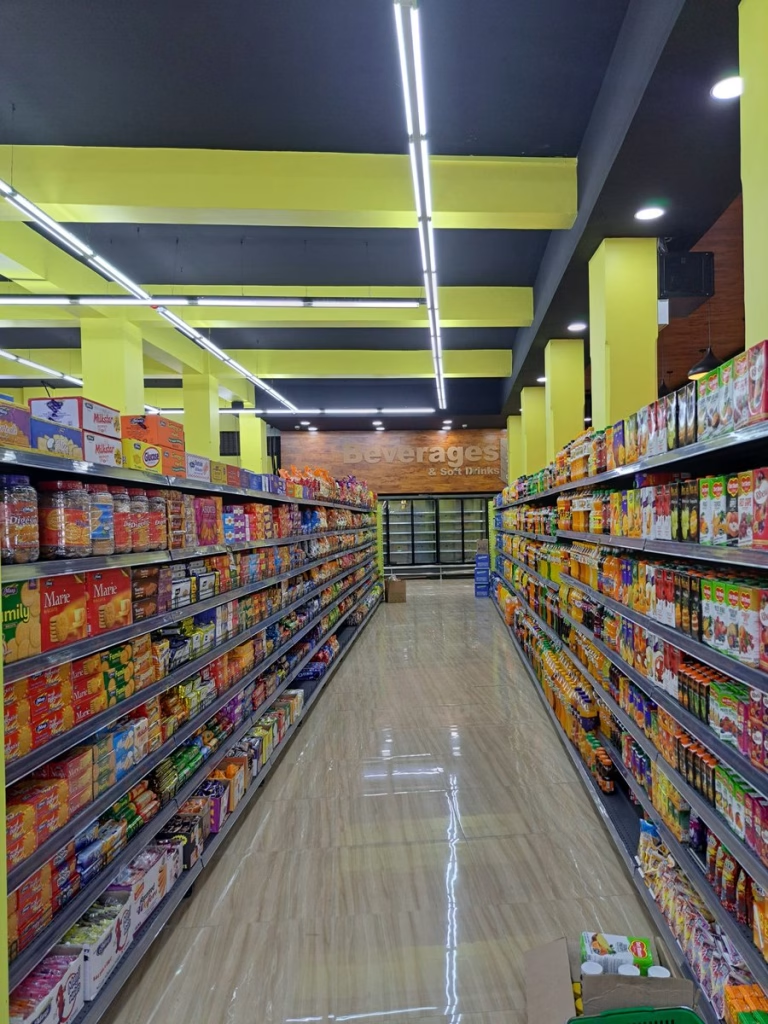
- Clean and organized store layouts
This has allowed the supermarket to attract both middle-income and budget-conscious shoppers.
Is Eastmatt a Billionaire-Owned Company?
While exact net worth figures are not publicly disclosed — since Eastmatt is privately owned — the chain’s growth, real estate presence, and steady operations suggest substantial financial stability.
Unlike retail brands owned by large multinational corporations, Eastmatt remains locally controlled. This independence gives the owners flexibility in pricing and procurement decisions.
How Many Branches Does Eastmatt Have?
Eastmatt operates multiple branches within Nairobi and its surroundings. Though not the largest chain in Kenya, it has built a strong presence in key urban zones.
Its growth strategy appears to prioritize:
- Sustainability over speed
- Market research before opening new branches
- Operational efficiency
This steady expansion model has protected it from the instability seen in more aggressive retailers.
Challenges Facing Eastmatt
Like every retail business in Kenya, Eastmatt faces challenges such as:
- Inflation affecting consumer purchasing power
- Currency fluctuations influencing import costs
- Increased competition from international retailers
- Rising operational costs
International players like Carrefour have entered the Kenyan market, intensifying competition in pricing and customer experience.
Despite this, Eastmatt maintains a loyal customer base.
Why Many Kenyans Trust Eastmatt
Customer loyalty does not happen by accident. Eastmatt has built trust through:
- Consistent stock availability
- Transparent pricing
- Strategic promotions
- Clean shopping environments
In a country where some supermarkets have collapsed overnight, reliability matters.
Eastmatt’s steady operations have reassured customers who value stability in where they shop.
What Makes Eastmatt Different?
Several factors distinguish Eastmatt from other Kenyan supermarkets:
Family-Owned Structure
Decision-making remains centralized and swift.
Less Public Drama
The brand rarely makes headlines for controversy.
Strategic Growth
Expansion happens when financially viable, not for prestige.
Customer-Focused Approach
Pricing and product selection reflect everyday Kenyan needs.
The Future of Eastmatt Supermarkets
The Kenyan retail industry continues to evolve. Urbanization, digital payments, and changing consumer habits are reshaping how supermarkets operate.
To remain competitive, Eastmatt may explore:
- Online delivery services
- Digital loyalty programs
- Expansion into high-growth satellite towns
- Enhanced in-store experiences
If the leadership maintains its cautious and strategic growth style, Eastmatt is likely to remain relevant in Kenya’s retail landscape.
Final Thoughts: Who Really Owns Eastmatt?
Eastmatt Supermarkets is owned by Kenyan businessman Ramesh Kanani and his family. It is a privately managed, family-run enterprise that has grown steadily through disciplined expansion and operational efficiency.
In a retail market marked by dramatic rises and falls, Eastmatt’s quiet consistency stands out. The ownership structure, leadership style, and conservative financial management have shaped its success story.
For shoppers, the name on the building may simply mean groceries. But behind that name is a carefully managed business built on patience, planning, and practical growth.
More Stories: https://www.whispers.co.ke/
Follow us: https://www.facebook.com/
