

Online grocery shopping has grown steadily in Kenya, especially in Nairobi where convenience drives purchasing decisions. Among the brands that shaped this space is Greenspoon. Many Kenyans know it for organic vegetables, premium meats, and next-day delivery. Few, however, understand who owns it and how it started.
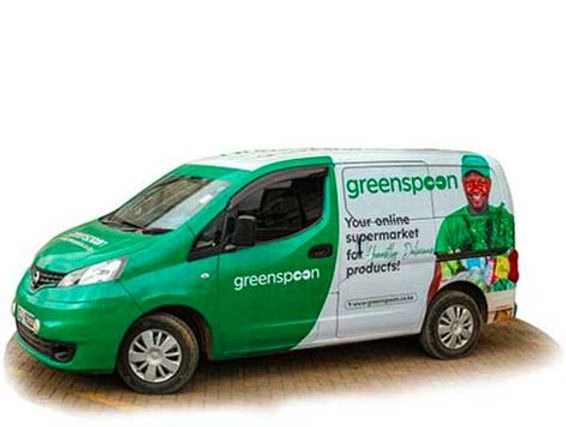
This article explores the ownership of Greenspoon, its founders, and the vision that built one of Kenya’s best-known online grocery platforms.
Who Founded Greenspoon?
Greenspoon was founded in 2016 by Alexander Fries and Sébastien Roussel. The two entrepreneurs saw a clear gap in Kenya’s retail market. Many consumers wanted fresh, traceable, and high-quality food. At the same time, small-scale farmers struggled to access reliable urban markets.
Instead of opening physical stores, the founders chose a fully online model. They built a platform that connects farmers and producers directly to consumers. This approach allowed them to control quality while reducing unnecessary middlemen.
From the beginning, Greenspoon focused on premium products. The company stocked organic vegetables, grass-fed beef, fresh seafood, dairy products, and pantry essentials. It targeted middle- and upper-income households, mainly in Nairobi.
Ownership Structure of Greenspoon
Greenspoon operates as a private company. The founders, Alexander Fries and Sébastien Roussel, hold significant ownership stakes. Over time, the company also attracted investors who believed in its long-term potential.
As a startup, Greenspoon raised funding to expand operations, improve logistics, and strengthen its supply chain. Like many fast-growing tech-enabled businesses, it relies on a mix of founder ownership and investor backing.
Despite outside investment, the company maintains strong founder influence. The leadership team continues to shape strategy, partnerships, and expansion decisions.
The Vision Behind Greenspoon
The founders did not just want to sell groceries online. They wanted to change how food moves from farm to table in Kenya.
Traditional retail often delays payments to farmers and squeezes supplier margins. Greenspoon introduced a different model. The company works directly with producers and pays them faster. This structure improves trust and stability within its supply network.
Greenspoon also emphasizes food safety and traceability. Customers know where their meat comes from. They understand how vegetables were grown. This transparency builds loyalty.
The brand markets itself around quality, freshness, and convenience. Orders get delivered to customers’ homes, often the next day. Busy professionals and young families appreciate that reliability.
How Greenspoon Differentiates Itself
Kenya has several supermarkets and online grocery services. However, Greenspoon carved a unique position in the market.
- Premium Quality Focus
The company prioritizes high-end products rather than competing on low prices. - Direct Sourcing Model
Greenspoon works closely with farmers and producers, reducing supply chain complexity. - Online-Only Presence
Unlike traditional supermarkets, Greenspoon does not rely on large retail branches. This reduces overhead costs. - Curated Product Range
The platform does not overwhelm customers with thousands of options. Instead, it offers carefully selected items.
This strategy helped Greenspoon build a strong reputation, especially in Nairobi’s urban neighborhoods.
Challenges Greenspoon Has Faced
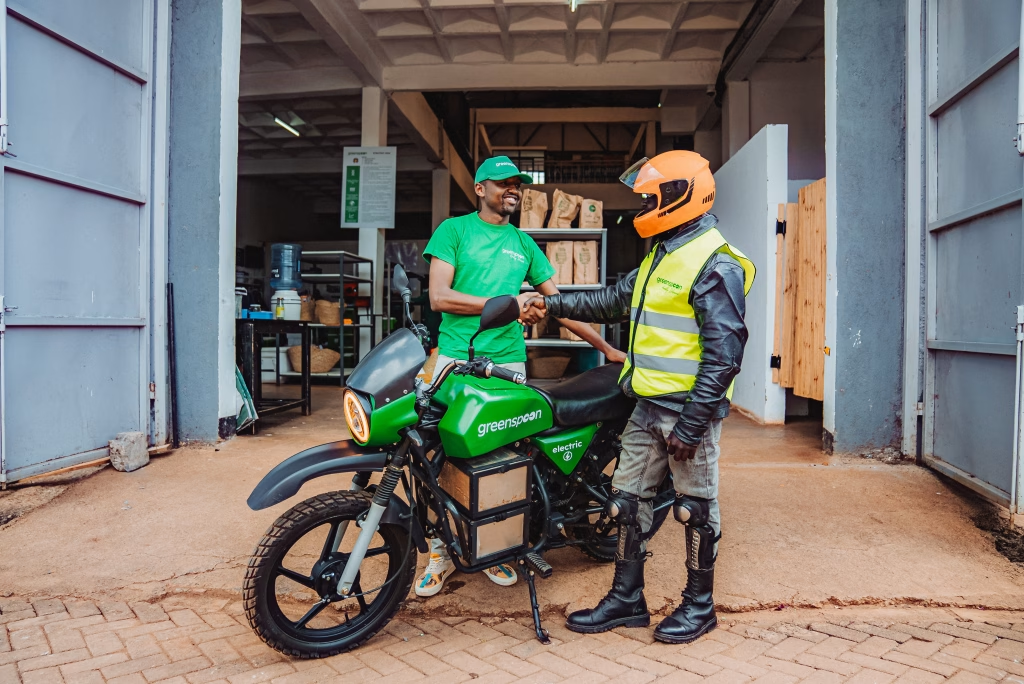
Running an online grocery business in Kenya comes with challenges. Logistics remain expensive. Maintaining cold storage for meats and dairy requires heavy investment. Fuel prices and traffic congestion in Nairobi also affect delivery schedules.
Consumer habits also take time to change. Many Kenyans still prefer visiting physical markets to inspect produce personally. Greenspoon had to educate customers on trust, quality control, and return policies.
Competition increased as more retailers adopted digital platforms. Large supermarket chains began offering delivery services, which intensified market pressure.
Even so, Greenspoon’s niche positioning allowed it to maintain relevance.
Greenspoon’s Impact on Kenya’s Retail Landscape
Greenspoon contributed significantly to the growth of e-commerce in Kenya’s grocery sector. It demonstrated that consumers would pay for quality and convenience.
The company also encouraged better standards in food sourcing. Its emphasis on traceability influenced how some suppliers operate. Farmers who partner with Greenspoon often adopt stricter production methods to meet quality requirements.
In many ways, the online supermarket helped normalize online grocery shopping in Nairobi before it became mainstream.
Is Greenspoon a Kenyan Company?
Yes, Greenspoon operates in Kenya and focuses primarily on the Kenyan market. While its founders have international backgrounds, the company built its identity around supporting Kenyan farmers and serving Kenyan households.
Its headquarters and operations remain based in Nairobi. The business model reflects local market realities while borrowing global e-commerce best practices.
The Future of Greenspoon
The future of Greenspoon depends on innovation, operational efficiency, and customer loyalty. Online shopping continues to grow, especially among younger consumers. Technology adoption in Kenya also expands each year.
If the brand continues strengthening its supply chain and improving delivery efficiency, it can maintain a competitive edge. Strategic partnerships and product diversification may also shape its next growth phase.
The founders’ original vision still guides the company. Quality food, transparent sourcing, and convenience remain central pillars.
Final Thoughts
Greenspoon was founded by Alexander Fries and Sébastien Roussel in 2016. The company operates as a privately owned online grocery platform with investor backing. It focuses on premium food products, direct farmer partnerships, and efficient home delivery.
In Kenya’s evolving retail environment, the brand stands out for its commitment to quality and innovation. Its ownership structure reflects a modern startup model driven by founders and supported by strategic investors.
As online grocery shopping becomes more common in Nairobi, Greenspoon’s influence on the market continues to shape consumer expectations.
More Stories: https://www.whispers.co.ke/
Follow us: https://www.instagram.com/whisperskenyanews/
