


Kenya’s retail space keeps evolving. New brands emerge, others rebrand, and some quietly build loyal customers without flashy marketing. Woolmatt Supermarkets falls into that category. Many shoppers know the name, but few understand who owns the business and how it operates behind the scenes.
So, who owns Woolmatt Supermarkets? Let’s break it down clearly and simply.

Woolmatt Supermarkets at a Glance

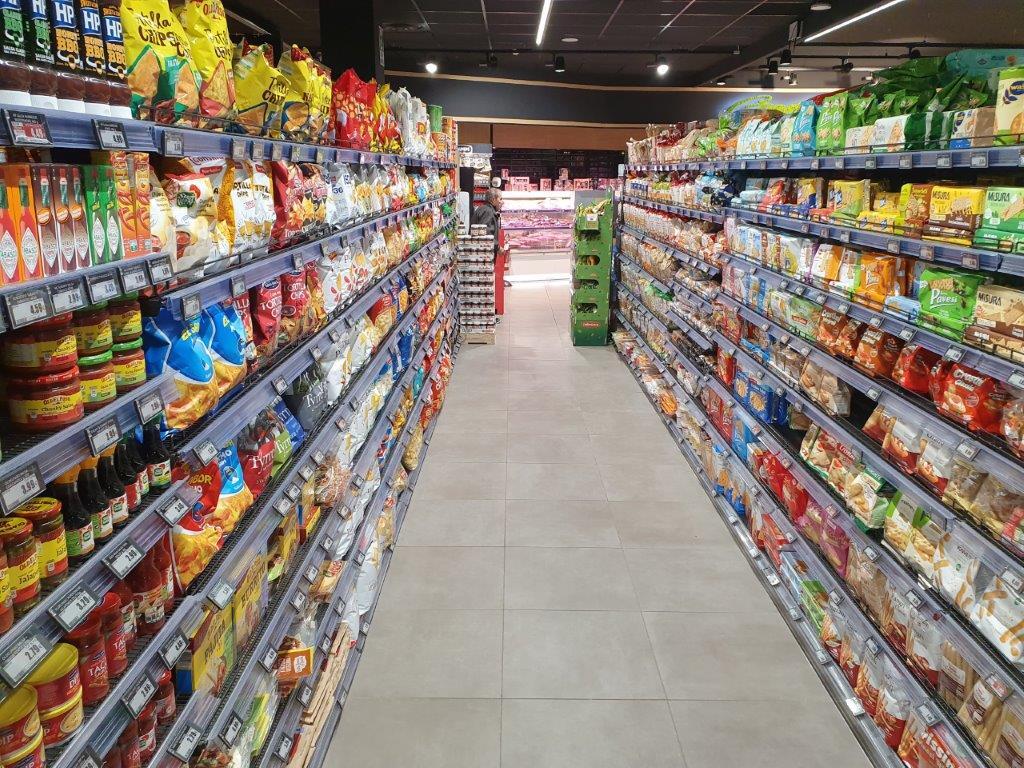
Woolmatt Supermarkets is a locally owned retail business operating in Kenya. The brand focuses on offering household goods, groceries, fresh produce, and everyday essentials at competitive prices.
Unlike multinational chains such as Carrefour or large regional giants, Woolmatt positions itself as a community-centered supermarket. It targets middle-income shoppers and builds loyalty through affordability and convenience.
Who Exactly Owns Woolmatt Supermarkets?
Woolmatt Supermarkets is privately owned by Kenyan investors. The company operates as a limited private entity, meaning its shares are not publicly traded on the Nairobi Securities Exchange.
The ownership structure does not involve foreign multinational control. Instead, local entrepreneurs manage and run the business. This local ownership gives Woolmatt flexibility in decision-making and allows it to respond quickly to customer needs in its operating areas.
Private ownership also explains why detailed shareholder information is not widely published. Unlike publicly listed companies, private supermarkets do not have to disclose extensive financial data to the public.
How Woolmatt Stands Out in Kenya’s Retail Market
Kenya’s supermarket industry has seen dramatic changes over the last decade. Several big brands collapsed due to debt, mismanagement, and rapid expansion. Others survived by restructuring and focusing on lean operations.
Woolmatt appears to have learned from those lessons.
Instead of aggressive nationwide expansion, the supermarket has grown steadily. It concentrates on specific regions and builds a strong customer base before expanding further. This strategy reduces financial strain and helps maintain consistent stock levels.
In contrast, chains like Naivas Supermarkets expanded rapidly but backed their growth with strong capital and structured management. Smaller retailers often struggle when they expand too fast without financial cushioning.
Woolmatt’s careful growth strategy reflects a more controlled business model.
Leadership and Management Approach
Although the individual founders of Woolmatt are not widely publicized, the supermarket operates under professional retail management. Most successful Kenyan supermarkets today separate ownership from daily operations. Investors provide capital, while experienced managers handle procurement, logistics, staffing, and branch performance.
This structure helps reduce internal conflict and improves accountability. It also ensures that the supermarket competes effectively with established players in Nairobi and other towns.
Retail success depends heavily on stock availability, supplier relationships, and pricing discipline. Woolmatt appears to focus on these fundamentals rather than flashy branding.
Why Ownership Matters in Retail
Understanding who owns a supermarket helps customers gauge stability. Kenya’s retail history shows that ownership structure can determine whether a brand thrives or collapses.
When ownership remains transparent and financially disciplined, suppliers receive payments on time. Shelves stay stocked. Employees keep their jobs. Customers build trust.
Privately owned supermarkets like Woolmatt often survive because they avoid excessive debt. They grow within their means. They maintain tighter control over expenses. This cautious approach reduces the risk of sudden closure.
Challenges Facing Woolmatt Supermarkets
Even with local ownership, Woolmatt operates in a highly competitive market. The Kenyan retail sector faces several challenges:
- Rising cost of goods
- High taxation
- Increasing rent in urban areas
- Competition from informal traders
- Pressure from large international chains
Major brands such as Quickmart Supermarkets continue to expand aggressively. At the same time, global retailers bring advanced supply chain systems and strong capital backing.
To remain competitive, Woolmatt must maintain efficient inventory control and strong supplier relationships. Price sensitivity among Kenyan consumers means even small price differences influence shopping decisions.
Community Impact
Locally owned supermarkets often contribute directly to the communities they serve. Woolmatt creates employment for cashiers, attendants, cleaners, security personnel, and supervisors.
Beyond jobs, supermarkets stimulate small-scale suppliers. Farmers, distributors, and local manufacturers rely on shelf space in such stores. When a locally owned supermarket grows, it indirectly supports many small businesses.
This ripple effect strengthens Kenya’s domestic economy.
Is Woolmatt Expanding?
Woolmatt has shown signs of gradual expansion. However, it does not pursue rapid branch rollouts. The brand appears to focus on stability before growth.
This strategy aligns with lessons learned from past retail collapses in Kenya. Sustainable growth often proves more powerful than aggressive expansion funded by debt.
If the supermarket maintains financial discipline and customer loyalty, it could strengthen its footprint in Nairobi and beyond.
Final Thoughts
Woolmatt Supermarkets remains a privately owned Kenyan retail chain run by local investors. The company does not operate under multinational control, nor is it publicly listed.
Its steady growth model reflects caution and strategic planning. In a market where several large supermarkets have struggled, that careful approach may become its greatest strength.
For Kenyan shoppers, ownership matters. It influences stability, pricing, and long-term survival. Woolmatt’s local ownership positions it as part of Kenya’s growing network of homegrown retail businesses.
As the retail landscape continues to shift, Woolmatt’s future will depend on disciplined management, smart expansion, and consistent customer trust.
More Stories: https://www.whispers.co.ke/
Follow us: https://x.com/Whispersnewsnow
