

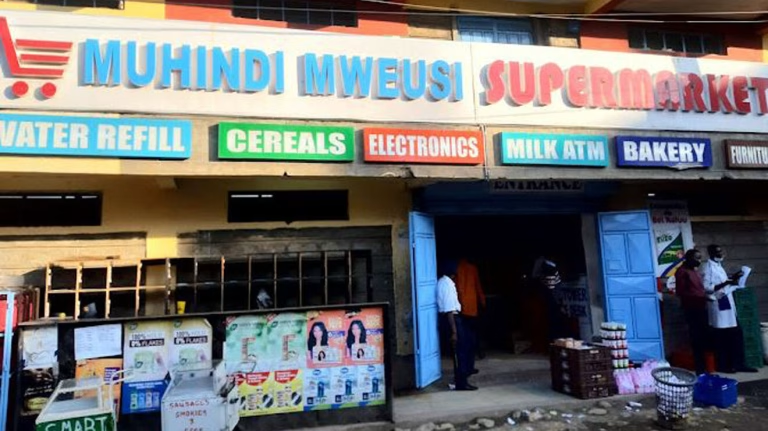
Kenya’s retail sector continues to evolve, and local supermarket brands now play a stronger role than ever before. Among the emerging names that have attracted attention is Muhindi Mweusi Supermarkets. Many shoppers recognize the brand from its growing presence, yet few know the story behind its ownership.
So, who owns Muhindi Mweusi Supermarkets?
The Ownership of Muhindi Mweusi Supermarkets
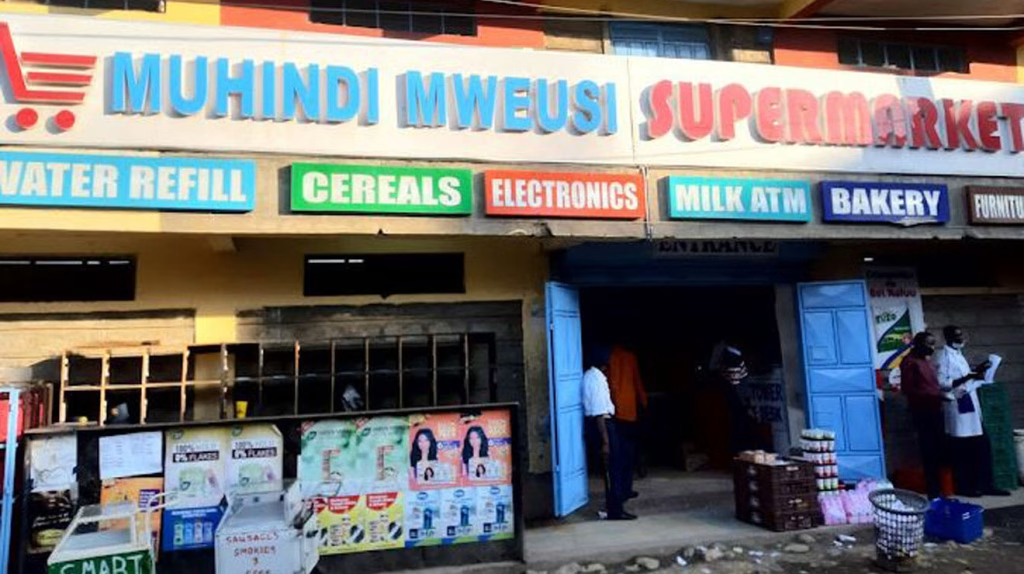
Muhindi Mweusi Supermarkets is a locally owned Kenyan retail business founded by a private entrepreneur operating under the Muhindi Mweusi brand. The supermarket is not part of an international chain, nor does it belong to a multinational retail corporation. Instead, it reflects the ambition and resilience of homegrown Kenyan enterprise.
The founder built the business with a clear focus on affordability, accessibility, and community-centered service. Unlike large retail giants that rely on foreign capital, Muhindi Mweusi runs as an independent Kenyan venture. This structure allows the owners to make quick decisions and adapt to the needs of local customers.
The Meaning Behind the Name
The name “Muhindi Mweusi” often sparks curiosity. In Kenya, the term carries cultural undertones that reference identity and business influence. By choosing such a bold name, the founder positioned the supermarket as a statement brand—one that signals confidence and ownership within the Kenyan retail landscape.
The branding stands out. It creates conversation. More importantly, it reinforces the idea of local participation in an industry long dominated by larger corporate players.
Growth in Kenya’s Competitive Retail Market
Kenya’s supermarket industry has seen dramatic shifts over the years. Established chains such as Nakumatt, Tuskys, and Uchumi Supermarkets once dominated shopping malls and high streets across the country. Their eventual financial struggles reshaped the retail environment and created space for new players.
Muhindi Mweusi Supermarkets emerged during this transition period. As larger chains collapsed or downsized, smaller and mid-sized supermarkets stepped in to fill the gap. Consumers began to trust neighborhood stores again. They wanted reliability, fair pricing, and consistent stock levels.
Muhindi Mweusi capitalized on that opportunity.
Instead of expanding too quickly, the management focused on steady growth. They prioritized supply chain stability and nurtured relationships with local suppliers. They built loyalty at the community level rather than chasing national headlines.
Business Model and Strategy
Muhindi Mweusi Supermarkets operates on a practical and customer-driven model. The owners emphasize:
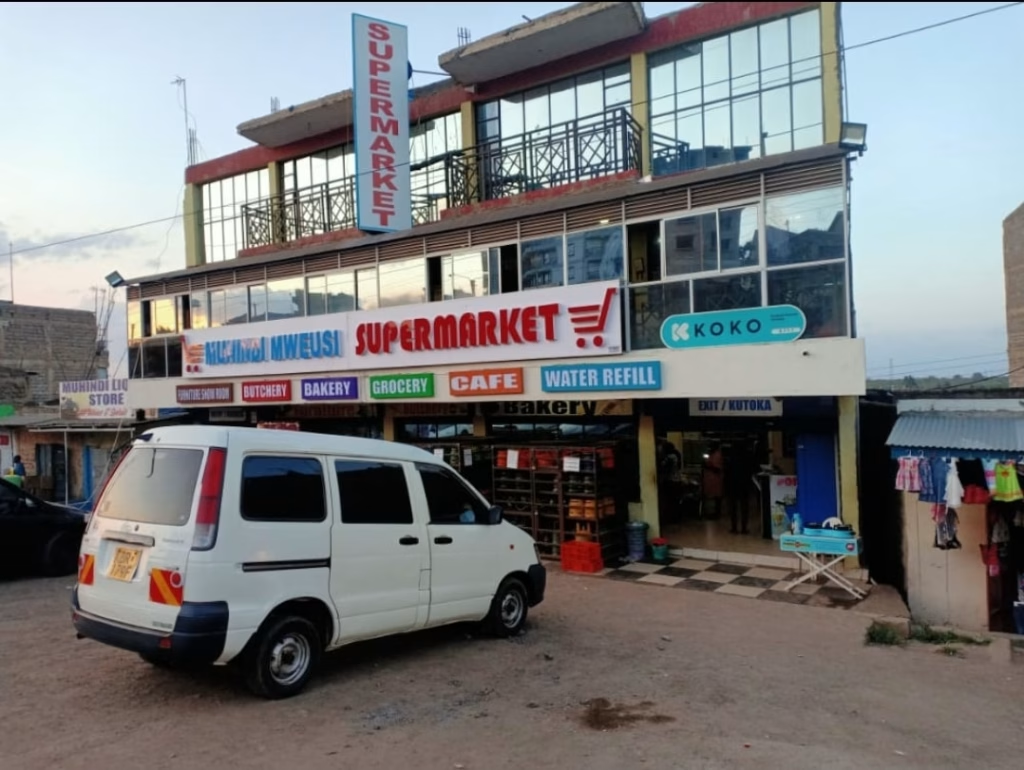
- Competitive pricing
- Stocking essential household goods
- Serving everyday Kenyan shoppers
- Maintaining visible community presence
The supermarket does not rely heavily on luxury branding. It targets ordinary families who want value for money. This strategy keeps operational costs manageable while maintaining steady customer flow.
Local sourcing also plays a role in its structure. By working with Kenyan distributors and producers, the supermarket supports domestic trade while reducing dependency on imported goods. This approach strengthens supply reliability and builds community trust.
Leadership Style and Management Approach
Because Muhindi Mweusi remains privately owned, the leadership style reflects entrepreneurial control. Decisions move faster than in corporate chains. Managers can adjust stock based on local demand. They can respond to market shifts without navigating layers of board approvals.
This flexibility matters in Kenya’s dynamic economy. Fuel prices fluctuate. Currency shifts affect import costs. Consumer spending patterns change rapidly. A privately owned supermarket can react with agility.
The ownership structure also allows for close supervision of daily operations. The founder remains directly involved in shaping the brand’s direction, ensuring that standards remain consistent.
Challenges Facing the Business
Despite its growth, Muhindi Mweusi Supermarkets operates in a demanding environment. Retail margins in Kenya remain tight. Competition continues to intensify with strong players like Naivas Supermarket and Carrefour expanding across major towns.
These large chains benefit from scale advantages, sophisticated logistics, and strong capital backing. Smaller independent supermarkets must compete through customer relationships and pricing discipline.
Inflation also affects purchasing power. When food prices rise, shoppers reduce basket size. That pressure forces retailers to adjust strategies constantly.
Muhindi Mweusi counters these challenges by focusing on consistent stock, visible presence, and fair pricing. Instead of entering expensive malls, it often operates in accessible urban and peri-urban areas where demand remains steady.
Community Impact
Ownership goes beyond legal structure. It shapes social responsibility. As a Kenyan-owned enterprise, Muhindi Mweusi contributes to local employment. It hires local staff and engages nearby suppliers. It circulates money within the community.
This local ownership model strengthens economic participation. When shoppers spend at Muhindi Mweusi, they support a Kenyan entrepreneur rather than a foreign holding company.
In areas where supermarket options remain limited, such businesses provide essential services. They reduce travel distance for shoppers and improve access to household goods. They stimulate neighborhood commerce.
Why Ownership Matters
Many Kenyans now pay closer attention to who owns the businesses they support. The fall of once-dominant chains reshaped public trust in large retail corporations. Consumers prefer stability. They value transparency.
Knowing that Muhindi Mweusi Supermarkets remains locally owned builds confidence among shoppers who prioritize supporting Kenyan enterprises.
Ownership influences pricing decisions. It affects supplier relationships. It determines expansion strategy. In this case, it also reflects resilience in a sector known for volatility.
The Future of Muhindi Mweusi Supermarkets
The supermarket’s long-term success will depend on sustainable expansion. Rapid growth often strains cash flow. Careful scaling protects stability.
If the owners maintain disciplined management and community focus, the brand can strengthen its position within Kenya’s retail ecosystem. Opportunities exist in emerging towns where organized retail continues to expand.
Digital integration may also shape its future. Mobile payments already dominate Kenya’s retail environment. Embracing technology for inventory and customer engagement could further enhance efficiency.
Ultimately, Muhindi Mweusi’s strength lies in its independence. Local ownership allows flexibility. Entrepreneurial leadership drives momentum. Community trust fuels growth.
Final Thoughts
Muhindi Mweusi Supermarkets stands as a locally owned Kenyan retail brand built through private entrepreneurship. It does not belong to a multinational corporation or a public holding group. Instead, it represents the determination of a Kenyan business owner navigating a competitive market.
In a retail sector that has witnessed dramatic collapses and rapid expansions, stability matters. Ownership matters. Community trust matters even more.
As Kenya’s retail landscape continues to evolve, locally driven supermarkets like Muhindi Mweusi prove that homegrown businesses still hold significant power in shaping the country’s commercial future.
More Stories: https://www.whispers.co.ke/
Follow us: https://www.instagram.com/whisperskenyanews/
