

Social media was once hailed as a revolutionary tool — something that could unite humanity, spark global conversations, and give power back to the people. But over time, that shiny promise has dulled. Now, many are asking: Has social media made the world worse?
The answer isn’t simple. It’s not just about what social media is, but what we’ve allowed it to become.
When Connection Turns Harmful
Mental Health in Decline
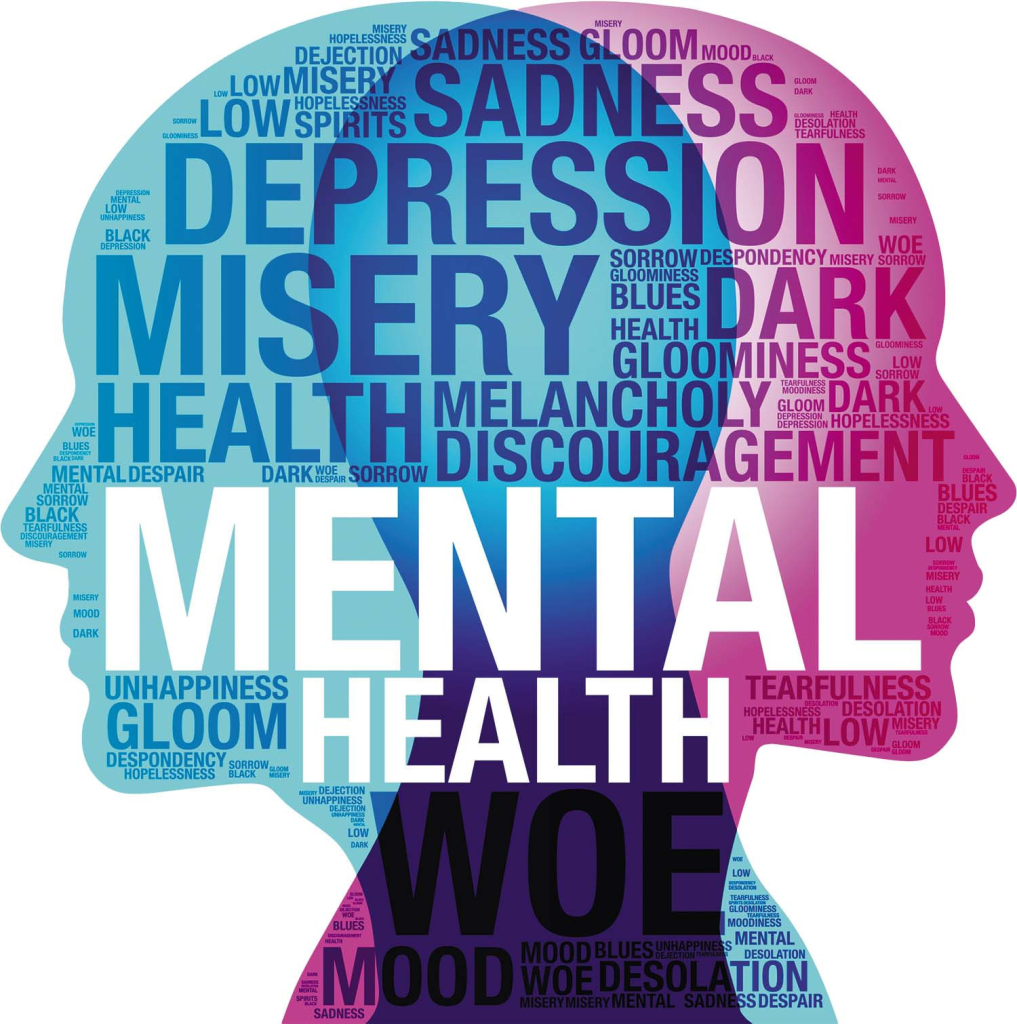
What was meant to bring people closer often leaves them feeling more alone. Platforms like Instagram, Snapchat, and TikTok feed users a nonstop reel of filtered beauty, luxury, and success. For many, this fuels a quiet but powerful comparison trap — leading to anxiety, depression, and poor self-worth. This is especially true for teens who are still figuring out who they are.
The Misinformation Machine
In the race to go viral, truth is often left behind. False claims about health, politics, or global events travel faster than facts. One tweet or video can spark widespread panic or dangerous movements. The spread of misinformation has become one of the biggest modern threats to democracy, science, and public safety.
Digital Dependency
It’s not just about using social media — it’s about needing it. Many people scroll out of habit, often without realizing they’ve lost hours. These apps are designed to hijack attention and reward impulsive behavior. As a result, real-world relationships, focus, and creativity suffer.
Divided by Design
Social media often reinforces what we already believe. Algorithms curate our feeds to show us opinions we agree with, making it easier to dismiss those who think differently. This creates digital bubbles — echo chambers that deepen polarization and make civil conversations nearly impossible.
Harassment Without Consequence
Behind screens, some people become cruel. From online shaming to targeted harassment, many users experience bullying without recourse. For women, LGBTQ+ individuals, and minority communities, social media can be a hostile and unsafe place.
The Other Side of the Story
Despite the pitfalls, dismissing social media entirely would ignore its immense positive potential.
Global Voices, Heard Instantly
A mother in Nairobi, a student in Seoul, a farmer in rural Brazil — all can share their stories with the world in real-time. Social media allows people who were once invisible to be seen and heard on a global stage.
Fueling Movements and Change
From #MeToo to #FridaysForFuture, many social justice movements gained traction online. The platforms have become a rallying point for people fighting racism, sexism, corruption, and climate injustice. It’s a modern-day megaphone for those demanding change.
Education Without Borders
Want to learn how to edit a video, cook Ugali, or speak French? Social media has it. Millions of users use platforms for tutorials, lessons, language exchange, and more. Learning is no longer confined to classrooms or textbooks.
A Platform for Creators and Entrepreneurs
Artists, designers, musicians, and small businesses have turned platforms like TikTok and Instagram into global storefronts. For many, social media isn’t just fun — it’s economic survival.
Real-Time Crisis Reporting
Whether it’s a protest in Sudan or a flood in Bangladesh, social media gives real-time updates from people on the ground. In some places, it’s the only way the truth gets out when traditional media is silenced.
So, Is It Making the World Worse?
Yes and no.
Social media reflects us — our values, our flaws, our hopes. If it’s hurting the world, it’s because we’ve let it. But if we choose to demand better — from tech companies, governments, and ourselves — it can still be a force for good. Read more on the impact https://www.publichealth.columbia.edu/news/just-how-harmful-social-media-our-experts-weigh
We need stronger digital literacy, healthier usage habits, ethical tech design, and regulation that puts people before profit. Until then, we’ll continue to feel the tension between what social media promised and what it has become. More stories https://www.whispers.co.ke/
