

In recent years, Kenya has witnessed a sharp rise in counterfeit products. From electronics to cosmetics, imitation goods have flooded the market. Sadly, the beverage industry has not been spared. Fake sodas are now circulating in kiosks, small shops, and even some supermarkets.
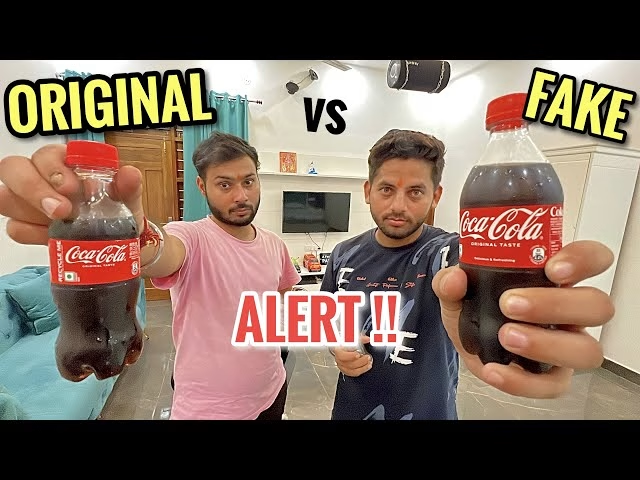
Many emerging businesses are taking shortcuts. Instead of building authentic brands, they mimic popular soda companies. They copy bottle shapes, colors, logos, and even brand names. To the average buyer, the difference is not obvious at first glance. Yet what lies inside those bottles is often substandard and unsafe.
As a Kenyan consumer, you need to know how to spot a fake soda before it harms your health or wastes your money.
Why Fake Sodas Are Increasing in Kenya
Counterfeit soda production thrives because of three main reasons:
- High demand for popular brands
- Desire for quick profits
- Weak consumer awareness
Popular brands have built trust over decades. Consumers automatically reach for what they recognize. Unscrupulous manufacturers exploit that trust by producing near-identical copies at lower costs.
Instead of investing in quality ingredients and proper manufacturing standards, they cut corners. They use cheaper flavorings, unsafe coloring agents, and sometimes contaminated water. The goal is profit, not safety.
Clear Signs a Soda Might Be Fake
Here are practical ways to distinguish a fake soda from an original one.
1. Check the Packaging Quality
Original soda brands invest heavily in packaging. Bottles are sturdy, labels are perfectly aligned, and printing is sharp.
A fake soda often shows:
- Blurry or faded printing
- Spelling mistakes on the label
- Crooked or peeling stickers
- Thin or unusually soft plastic bottles
Look carefully at the logo. Counterfeiters sometimes change one letter or slightly alter the design hoping you will not notice.
2. Examine the Cap and Seal
Original sodas come with secure, tamper-proof seals. The cap fits tightly and often has consistent branding marks.
Be cautious if you notice:
- Loose caps
- Broken safety rings
- Uneven or poorly printed branding on the cap
- Signs that the bottle was opened before
If the seal looks suspicious, do not buy it.
3. Observe the Color of the Drink
Pour the soda into a clear glass if possible.
Original sodas maintain a consistent color. Fake sodas may appear:
- Too light or too dark
- Cloudy instead of clear
- With unusual particles floating inside
Any abnormal appearance is a red flag.
4. Taste and Smell Differences
Sometimes the difference becomes clear after opening.
A fake soda may:
- Have a strange chemical smell
- Taste excessively sweet or overly bitter
- Lack the familiar flavor you expect
- Lose its fizz almost immediately
Original sodas maintain carbonation for a reasonable time. If it goes flat quickly, that could indicate poor manufacturing standards.
5. Check the Manufacturer Details
Always read the fine print.
An original soda clearly displays:
- Company name
- Physical address
- Customer care contacts
- Batch number
- Expiry date
Counterfeit sodas may have missing or vague information. Some list non-existent addresses or unclear contact details.
If the label looks incomplete, think twice.
6. Compare Prices
If the price seems too good to be true, it probably is.
Fake sodas are often sold at significantly lower prices to attract buyers. While discounts are normal during promotions, extremely low prices without explanation should raise suspicion.
The Dangers of Consuming Fake Soda
Many people assume that fake soda is just a “cheap alternative.” That assumption can be dangerous.
Substandard beverages may contain:
- Unsafe water
- Excessive sugar levels
- Artificial chemicals not approved for consumption
- Contaminants from poor hygiene practices
These can cause stomach problems, food poisoning, allergic reactions, and long-term health issues. Children are especially vulnerable.
Beyond health risks, counterfeit sodas damage legitimate businesses. Established companies follow strict quality standards, pay taxes, and create employment. Fake producers avoid regulations, hurting both consumers and the economy.
How Emerging Shortcut Businesses Operate
Some small-scale manufacturers deliberately imitate leading brands. They copy:
- Bottle designs
- Color themes
- Similar brand names
- Almost identical slogans
Their strategy is simple. They rely on confusion. A busy shopper may not examine every detail. In crowded markets, quick decisions lead to mistakes.
These businesses focus on speed and volume. They minimize costs by ignoring quality control. The result is a product that looks convincing but fails basic safety standards.
Where Fake Sodas Are Commonly Sold
Counterfeit sodas are more common in:
- Roadside kiosks
- Informal markets
- Remote trading centers
- Events with temporary vendors
This does not mean every small shop sells fake drinks. Many honest traders operate responsibly. However, you should remain alert when buying from unfamiliar outlets.
Tips to Protect Yourself as a Consumer
You can reduce your risk by taking these simple steps:
- Buy from trusted supermarkets or reputable shops.
- Inspect packaging before paying.
- Avoid extremely cheap deals without explanation.
- Report suspicious products to local authorities.
- Educate friends and family about counterfeit drinks.
Consumer awareness is powerful. When buyers refuse fake products, the market for them shrinks.
What Authorities and Consumers Must Do
Food safety agencies and regulatory bodies must strengthen inspections. Manufacturers caught producing counterfeit beverages should face strict penalties.
At the same time, consumers must play their role. Awareness creates accountability. When Kenyans demand quality, businesses will have no choice but to comply.
Final Thoughts
The rise of fake sodas in Kenya reflects a broader problem of shortcut entrepreneurship. Instead of building genuine brands, some businesses choose imitation and deception.
As a consumer, your eyes are your first line of defense. Examine the bottle, read the label, check the seal, and trust your instincts. Protecting your health starts with informed choices.
Do not let counterfeit products put your well-being at risk. Stay alert, stay informed, and always choose quality over cheap imitations.
