

Bananas are among the most consumed fruits in Kenya. From roadside vendors to large open-air markets, they are affordable, filling, and nutritious. Many households depend on bananas for breakfast, snacks, or cooking. However, not all bananas in the market are ripened the same way.
With increasing competition and the pressure to make quick sales, some traders have turned to shortcut methods to speed up the ripening process. While some techniques are safe, others involve harmful chemicals that can affect quality and health. Knowing how to differentiate between naturally ripened bananas and artificially ripened ones can help you make safer choices.

How Bananas Ripen Naturally
Bananas are climacteric fruits. This means they continue ripening after harvesting due to the production of a natural plant hormone called ethylene. Once harvested, the fruit gradually transforms from green to yellow. During this process, starch converts into sugar, the texture softens evenly, and the aroma becomes sweeter.
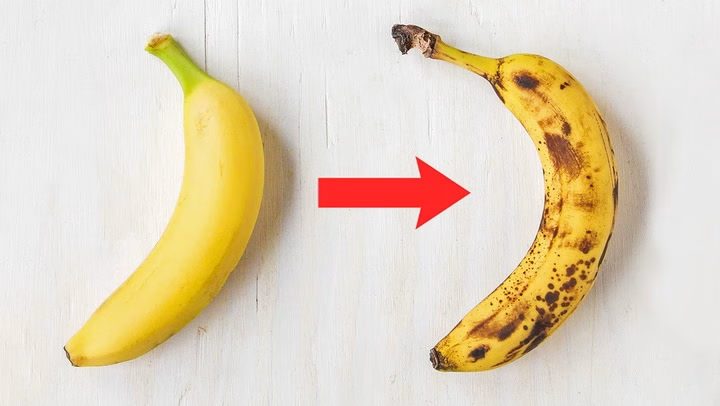
Natural ripening takes several days depending on temperature and storage conditions. The colour change is gradual, and small brown spots usually appear when the banana reaches peak sweetness. The taste is rich and well balanced.
Why Some Traders Force Bananas to Ripen
In many Kenyan markets, speed equals profit. Traders want bananas to ripen quickly to reduce losses and meet demand. This has led to the emergence of businesses built around fast ripening solutions.
Some traders use chemicals such as calcium carbide to accelerate the process. When exposed to moisture, calcium carbide releases a gas that mimics ethylene and causes bananas to turn yellow quickly. The peel may look ripe within one or two days.
However, this method is risky. Calcium carbide may contain harmful impurities that are unsafe for human consumption. Although the fruit may appear ready to eat, the inside may not have matured properly. In addition, the use of such chemicals is not recommended in food handling due to health concerns.
At the same time, other businesses are investing in safer alternatives such as controlled ripening chambers. These chambers regulate temperature and use food-grade ethylene gas to speed up the process safely. Small-scale farmers and agripreneurs in Kenya are now building simple ripening rooms using polythene and wooden structures. This approach helps them manage supply without compromising food safety.
How to Identify a Naturally Ripened Banana
There are clear signs that can help you tell the difference.
1. Colour Appearance
Naturally ripened bananas often have a slightly uneven yellow colour. You may notice light green tips or small brown spots as they mature. Artificially ripened bananas tend to have a very uniform, bright yellow appearance that looks too perfect.
2. Texture
A naturally ripened banana feels evenly soft when gently pressed. If the peel is yellow but the fruit feels unusually hard, it may have been forced to ripen.
3. Inside the Fruit
When peeled, a naturally ripened banana has a consistent cream colour inside. Forced-ripened bananas sometimes appear yellow outside but remain pale or slightly raw inside.
4. Taste and Aroma
Naturally ripened bananas have a strong, sweet aroma and a full flavour. Artificially ripened ones may taste flat, slightly starchy, or less sweet.
5. Shelf Life
Forced-ripened bananas often spoil faster after turning yellow. You may notice them blackening quickly within a day or two.
The Rise of Shortcut Businesses
Kenya’s growing urban population has increased the demand for fresh fruits throughout the year. This demand has created opportunities for agribusiness entrepreneurs. Unfortunately, it has also encouraged shortcuts.
Some traders prioritize quick turnover over quality. Fast ripening allows them to control supply and avoid losses. In competitive markets, this seems like a smart move. Yet it raises food safety concerns.
On the positive side, innovative farmers are creating safer ripening systems. Some use naturally ethylene-producing fruits like avocados to encourage ripening. Others build simple ripening chambers that trap natural gases. These solutions support business growth while protecting consumers.
The difference lies in responsibility. Shortcuts that compromise health may increase profits temporarily, but sustainable practices build trust and long-term success.
Why This Matters for Kenyan Consumers
Bananas are rich in potassium, fibre, and essential vitamins. They are widely consumed by children, adults, and the elderly. If harmful chemicals are used during ripening, the risk affects entire families.
Being aware does not mean avoiding bananas. It simply means paying attention when buying. Observe the colour, feel the texture, and if possible, buy from trusted vendors who handle their produce responsibly.
Consumers have power. When buyers demand quality and safety, traders are encouraged to adopt better practices.
Final Thoughts
Bananas remain one of Kenya’s most important fruits, both nutritionally and economically. While natural ripening takes patience, it produces better flavour, safer food, and higher quality fruit. Forced ripening may seem convenient, but it often compromises taste and potentially health.
The next time you visit the market, take a closer look before purchasing. A little awareness goes a long way in protecting your health and supporting ethical agribusiness practices.
More Stories: https://www.whispers.co.ke/
Follow us: https://www.facebook.com/
