

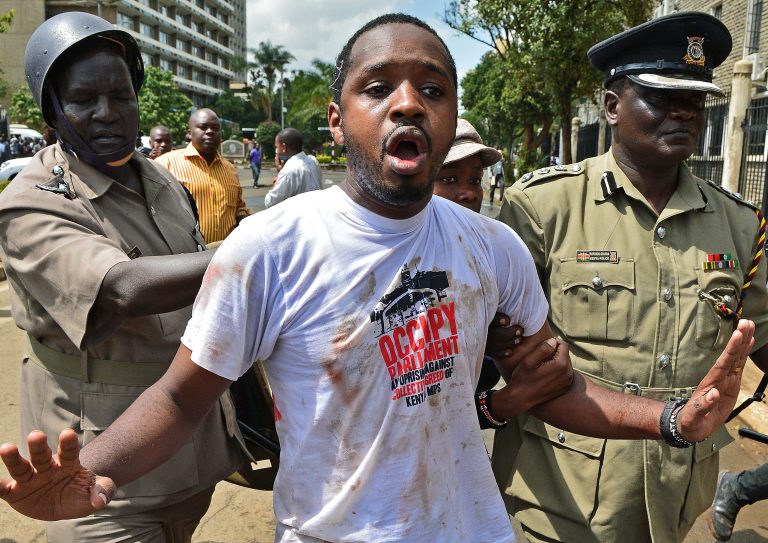
In the crowded field of Kenyan politics and civic activism, Boniface Mwangi stands out like a flare in the night. He’s the man who paints pigs to shame politicians, the photographer who swapped his camera for a placard, and the voice that refuses to be quiet no matter how loud the threats get. Love him or loathe him, you cannot ignore him — and that’s precisely the point.
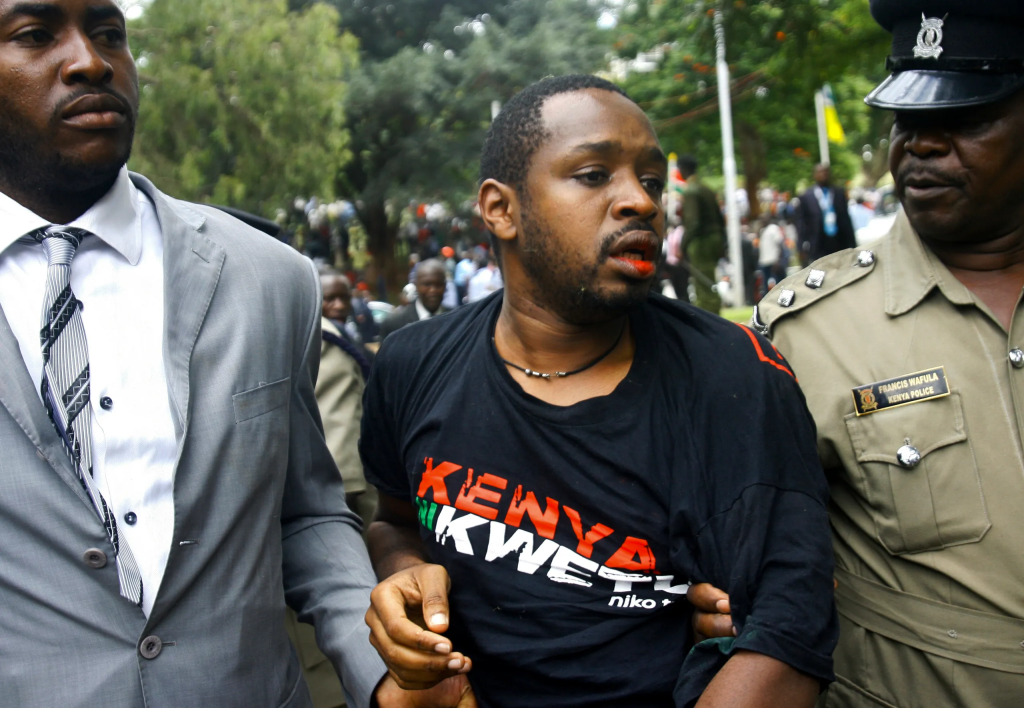
Growing Up in the Hustle of Nairobi
Boniface Mwangi was born in 1983 in Nairobi, in a world where survival meant hustling hard and speaking carefully. He learned early on that Kenya’s streets could teach you more than any classroom: the value of grit, the cost of silence, and the price you pay for daring to ask “why?”

Photography became his way of seeing the world — and of making the world see itself. By the time he was in his early 20s, Mwangi had become one of the country’s sharpest photojournalists, covering both everyday life and major political events. But fate had something bigger in store.
The Day the Lens Wasn’t Enough
The 2007–2008 post-election violence was Kenya’s deepest political wound in recent history. Mwangi was there, camera in hand, documenting burned homes, armed gangs, and grieving families. His images made global headlines — but they also haunted him.
He has admitted feeling like a bystander to tragedy:
“I was recording history, but I wasn’t changing it. I decided I had to step off the sidelines.”
That moment of reckoning pulled him into activism.
From Pictures to Protests
Mwangi’s first big project after leaving journalism was Picha Mtaani — a roving outdoor photo exhibition that brought the raw, unfiltered truth of post-election violence to the streets of Kenyan towns. The goal? Force the country to face itself and talk about peace without politicians hijacking the narrative.

Then came Pawa254, a bold experiment in using art as a political weapon. The space became a magnet for visual artists, writers, musicians, and activists looking to tell stories that challenge power. It’s part co-working space, part creative resistance factory.
The Art of the Unforgettable Protest
If you’ve ever seen a protest in Nairobi that made the evening news, there’s a good chance Boniface Mwangi was behind it. His protests are more than marches — they’re theatre, designed to stick in the nation’s memory.
- 2013 “Pig Parliament” Protest: Live pigs, smeared in red paint, released outside Parliament to mock MPs demanding bigger paychecks while the public struggled to afford basic needs.
- Occupy Parliament Movement: Turning public spaces into open-air civic classrooms on corruption.
- Street Graffiti Against Police Killings: Turning city walls into loud, colorful accusations.
Each protest is crafted to get under the skin of the powerful and into the minds of ordinary citizens.
A Foray Into Politics
In 2016, Mwangi shocked both his supporters and critics by announcing he would run for the Starehe parliamentary seat. His Ukueli Party (meaning “truth”) promised no bribes, no tribal politics, and no shady donors — a radical departure from Kenya’s political norms.
He ran on the idea that leadership should be a service, not a business. The campaign was intense, volunteer-driven, and refreshingly transparent. In the end, he came third. It wasn’t a win in numbers, but it was a statement that clean campaigns could still draw crowds.
Global Stage, Local Roots
While rooted in Kenya, Mwangi’s voice has carried across the world. He’s spoken at international conferences about civic courage, the role of youth in governance, and the power of art to shift political culture. Awards have followed — from global journalism honors to human rights accolades — but Mwangi treats them less as trophies and more as reminders of unfinished work.
The Storm and the Scrutiny
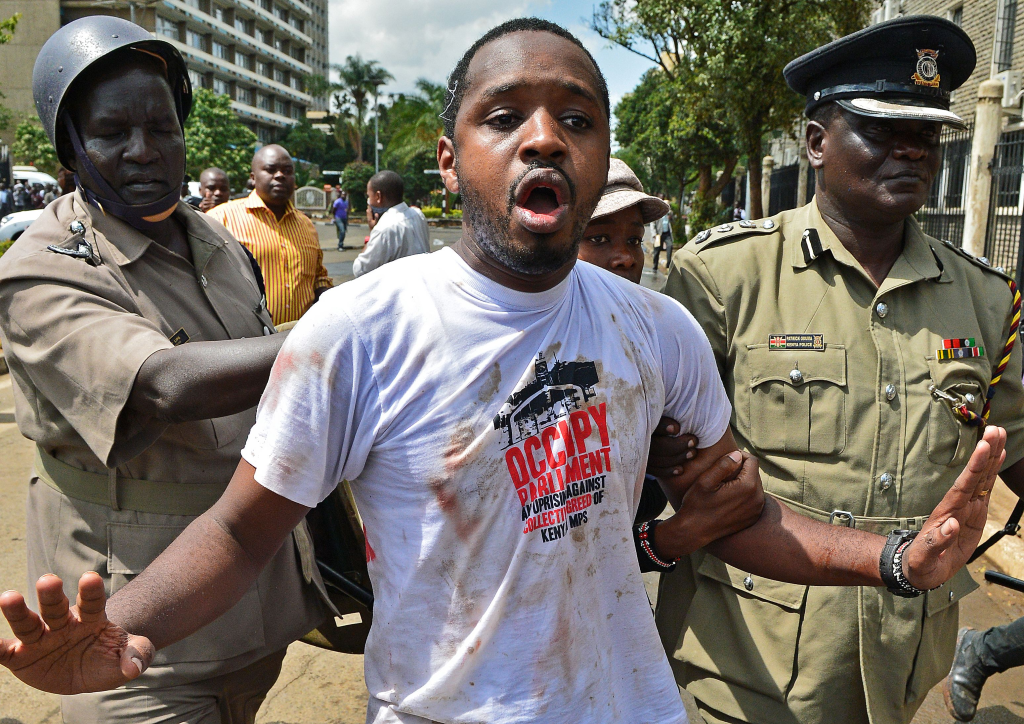
Speaking truth to power is never free. Mwangi has faced smear campaigns, arrests, and threats. In 2017, he claimed his car had been sabotaged in what he suspected was an attempt on his life. Still, he refused to scale back.
Critics say he can be too confrontational, alienating potential allies. Others accuse him of chasing publicity. Mwangi’s response? If making noise brings attention to injustice, then noise is a strategy, not a flaw.
The Man Behind the Megaphone
Beyond the protests and politics, Mwangi is a family man. His wife, Njeri, is a quiet force in their shared activism, and their three children remain his anchor. He’s candid about the toll activism takes — the missed moments, the safety fears — but also about the joy of knowing his children see him live his principles.
Changing Kenya’s Activism DNA
Before Boniface Mwangi, activism in Kenya often meant petitions and press conferences. He helped shift it into a bold, visual, participatory movement. By blending art, street action, and unapologetic honesty, he’s inspired a generation of Kenyans to speak out rather than sit out.
What Comes Next?
Mwangi’s path forward is still open. He hasn’t ruled out another political bid, but for now, his energy is focused on citizen empowerment, mentorship, and creative campaigns that keep corruption, inequality, and injustice under the spotlight.
In his own words:
“Change is not a spectator sport. If you’re on the sidelines, you’re part of the problem.”
Whether on the streets, in parliament, or on a stage halfway across the world, Boniface Mwangi is determined to keep reminding Kenya that silence helps no one — except those who benefit from the status quo. https://www.youtube.com/watch?v=j4Gm5z2Gp2Y
See related stories https://www.whispers.co.ke/276/relationships/2025/understanding-the-theory-behind-gender-based-violence-gbv/
