


Gender-Based Violence (GBV) is one of the most serious human rights issues in the world today. It affects people of all ages, backgrounds, and cultures—especially women and girls. But have you ever wondered why GBV continues to happen? What drives it, and why is it so hard to stop?
To understand this, we need to look at the theories behind GBV—basically, the ideas that help explain why it happens. These theories don’t just point fingers at individuals, but they also reveal deeper issues in society, culture, relationships, and systems of power.

1. Patriarchal Theory: Male Dominance and Control
This is one of the main explanations of GBV. According to this theory, violence happens because most societies are patriarchal—they give men more power than women.
In such systems:
- Men are expected to lead and make decisions.
- Women are expected to follow and be submissive.
- When women challenge this structure, some men may use violence to “put them back in their place.”
This theory shows that GBV is not just about anger or personal problems. It’s often about power and control.
2. Social Learning Theory: Learning from What We See
This theory says that people learn behaviors—including violent ones—by watching others.
If a child grows up in a home where:
- A father abuses the mother,
- Violence is seen as a way to solve problems,
- Women are treated as less important,
Then the child might grow up thinking such behavior is normal. They might repeat it in their own relationships or believe that violence is acceptable in certain situations.
3. Feminist Theory: Gender Inequality is the Root
Feminist theory looks at the social and political systems that support GBV. It explains that violence against women exists because:
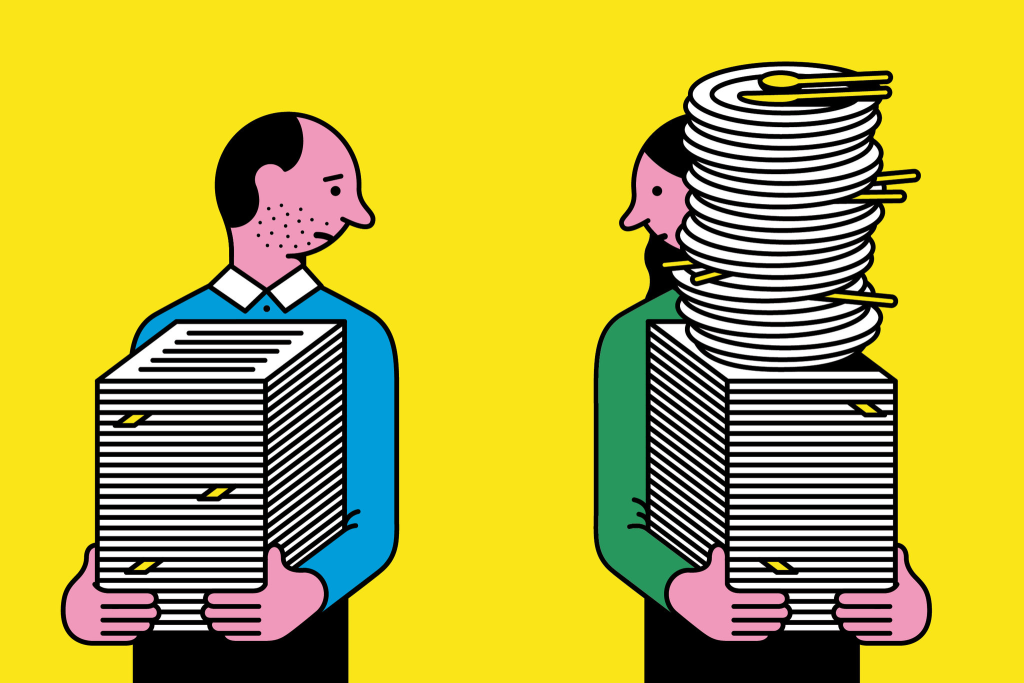
- Women have less power in decision-making.
- The media often portrays women as weak or only valuable for beauty or sex.
- Institutions like the law, religion, and even schools can sometimes ignore or excuse violence against women.
In this theory, GBV is not random—it’s a result of inequality that is deeply built into how society works.
4. The Ecological Model: Looking at All Levels of Society
The World Health Organization (WHO) uses this model to explain GBV. It says that many factors at different levels play a role:
- Individual Level: Personal history, such as childhood abuse or substance use.
- Relationship Level: Power imbalance in marriage or family conflict.
- Community Level: Living in unsafe neighborhoods, lack of support services.
- Societal Level: Weak laws, harmful gender norms, poverty, and cultural traditions that support violence.
This model is useful because it shows that GBV is not just about the victim or the abuser. It’s about everything around them as well.
5. Power and Control Wheel: How Abuse Works
This model is often used to understand domestic violence. It shows that abusers don’t just use physical violence—they use many other tactics, like:
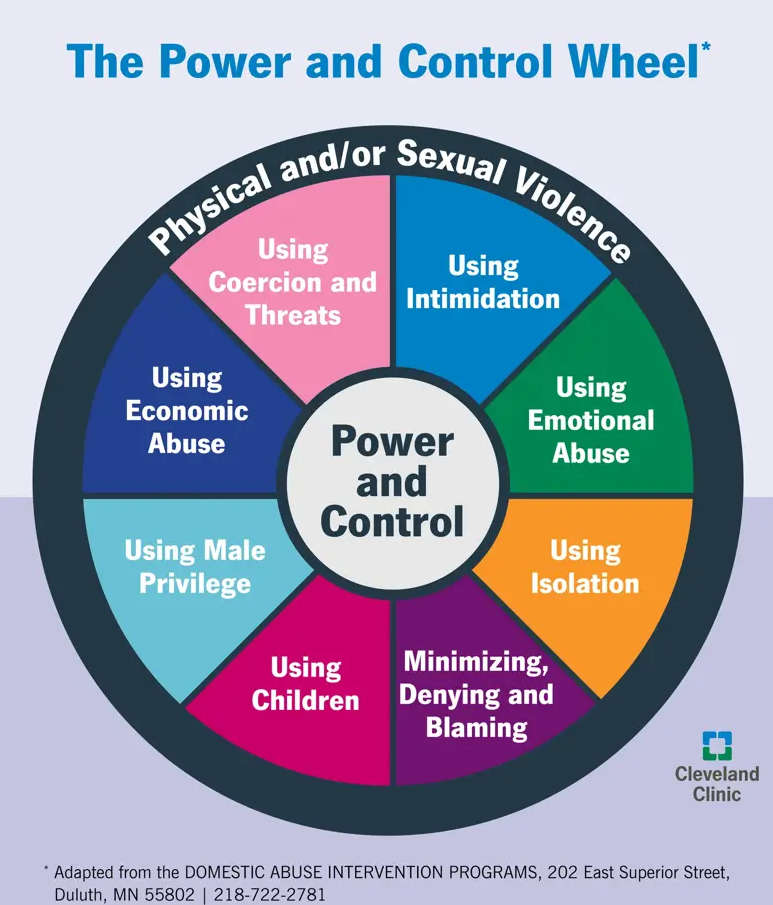
- Isolation (keeping the victim away from friends or family),
- Economic abuse (controlling money),
- Intimidation (using fear to control),
- Emotional abuse (constant criticism, humiliation).
All these tactics are meant to create fear, dependence, and control, keeping the victim trapped. See more here https://dl.designresearchsociety.org/cgi/viewcontent.cgi?article=1094&context=iasdr
6. Intersectionality: Layers of Discrimination
Intersectionality is a theory that explains how GBV affects people differently depending on their race, class, disability, age, or sexual orientation.
For example:
- A rich woman may find it easier to leave an abusive marriage than a poor one.
- A woman with a disability may be more vulnerable because she depends on her caregiver.
- An LGBTQ+ person may fear reporting abuse due to stigma.
This theory reminds us that not all victims are the same, and their situations must be understood through different lenses.
So, What Does This All Mean?
These theories help us understand that GBV is not caused by just one thing. It is the result of:
- Deep-rooted gender inequality,
- Harmful social norms,
- Learned behaviors,
- Weak laws and systems,
- And power imbalances in relationships and society.
To end GBV, we must change all these things—not just punish abusers, but also:
- Educate children about healthy relationships,
- Empower women and girls,
- Strengthen laws and make sure they are enforced,
- Support survivors with safe spaces and services,
- Challenge harmful traditions and beliefs.
Final Thoughts
Understanding the theory behind GBV is the first step toward ending it. Violence is not natural or acceptable—it is learned, enabled, and supported by systems that we have the power to change.
If we work together—as individuals, communities, and nations—we can build a world where everyone is safe, respected, and free from violence. Read more stories: https://www.whispers.co.ke/
