

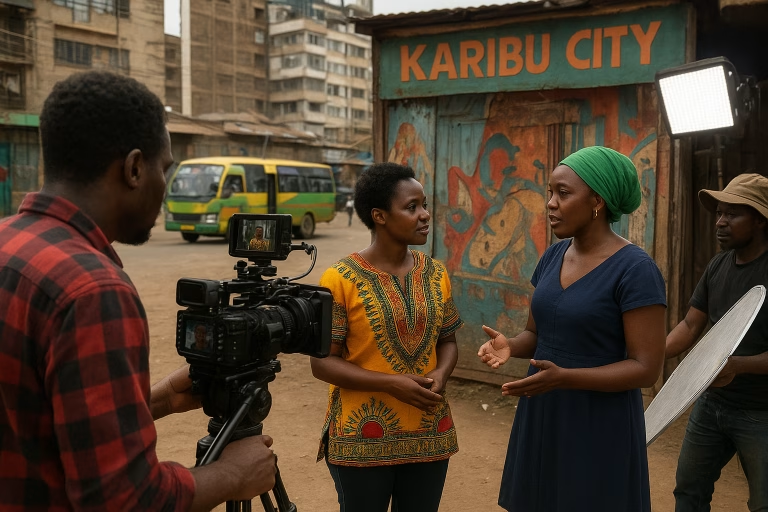
Introduction: The Hidden World Beneath the Glitz
Every night, millions of Kenyans switch on their TVs or scroll through YouTube, catching episodes of Maria or the latest Otile Brown hit video. To the audience, it all seems smooth and effortless. But behind the glamour lies an army of creatives, unpredictable schedules, and countless challenges. Kenya’s entertainment scene has grown into a powerful cultural force—but the road from concept to screen is far from simple.
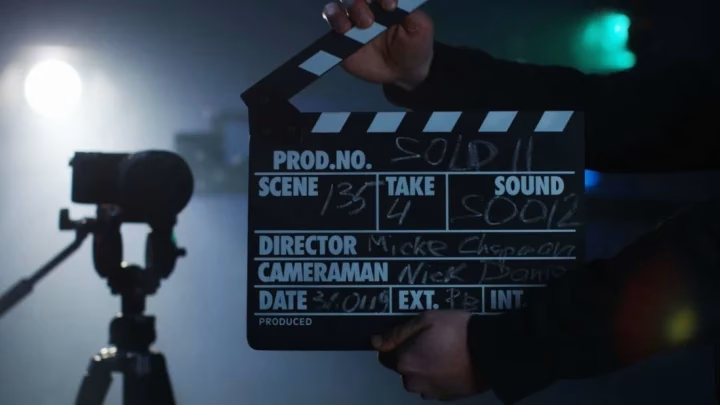
1. From Idea to Script: Where It All Begins
- Television: Writers, directors, and producers huddle in brainstorming sessions, searching for fresh ideas that capture Kenya’s diverse realities—be it coastal family sagas or gritty Nairobi dramas. These sessions refine everything: characters, plot twists, and episode pacing.
- Music Videos: Musicians and directors translate lyrics into visuals. A simple Gengetone anthem might evolve into a vivid storyboard showing Nairobi street culture or Mombasa sunsets, ensuring every shot aligns with the song’s vibe.
2. Crunching the Numbers: Budgets and Sponsors
Money dictates production scale.
- Shows: Networks like Maisha Magic or Showmax may underwrite the costs—paying for sets, actors, crew, and distribution. Independent producers often chase investors or grants from bodies like the Kenya Film Commission.
- Music Videos: Video shoots range from KSh 250,000 for budget projects to multi-million-shilling spectacles. Brand partnerships (Safaricom, Tusker) and influencer collaborations often plug financial gaps.
3. Choosing the Right Talent
Casting makes or breaks a production.
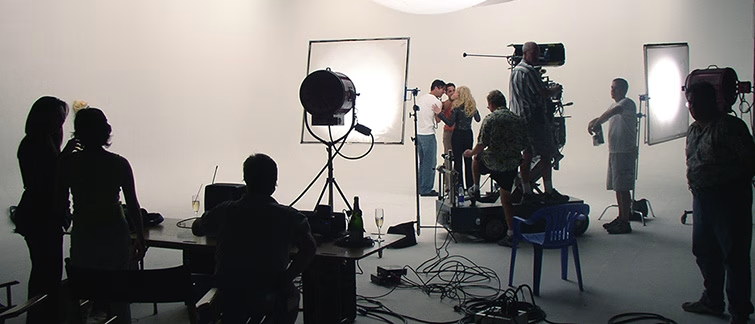
- Television: Casting directors host auditions and chemistry tests. Pairing the wrong leads could sink an otherwise brilliant show.
- Music Videos: Dancers, stylists, and influencers are carefully selected for their skills and online clout—one trending face can push a video viral overnight.
4. Scouting Iconic Kenyan Locations
Kenya’s geography is an unspoken character in many productions.
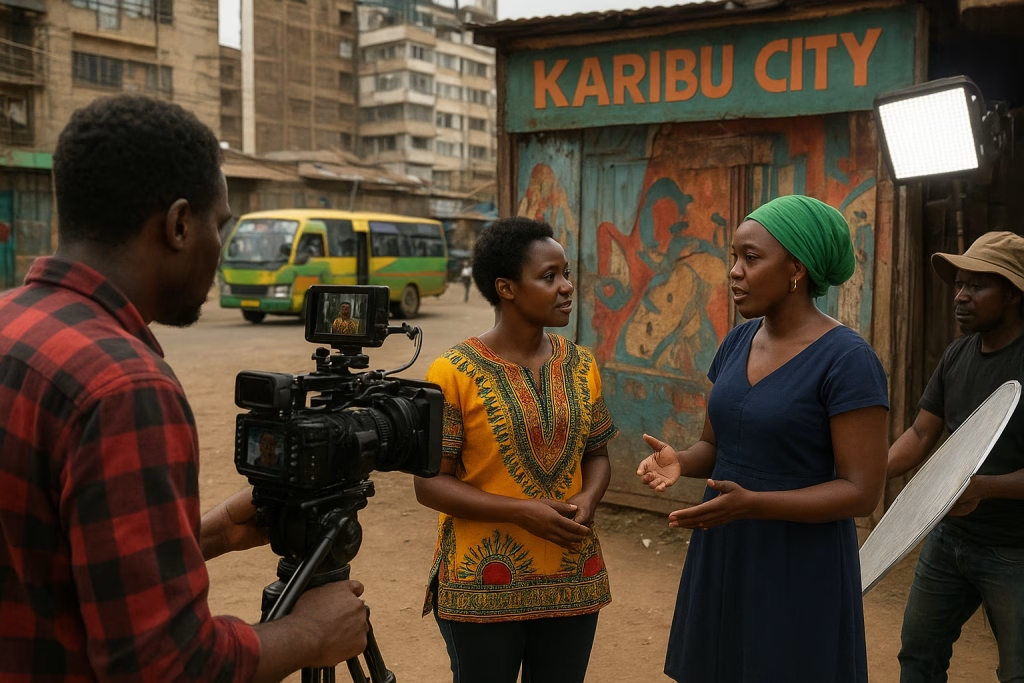
- From Lamu’s centuries-old Swahili architecture to the industrial grunge of Nairobi’s Eastlands, the setting amplifies the story.
- Producers navigate bureaucratic hoops—permits from KFCB or local councils, plus negotiations with community leaders or property owners. Missing a permit can mean costly delays.
5. Visual Identity: Sets, Costumes, and Lighting
- Shows: Production designers build believable worlds—whether it’s a bustling village market or an upscale Karen apartment. Wardrobe teams select outfits that reveal characters’ backgrounds and personalities.
- Videos: Stylists merge Kenyan fashion with international trends, pairing Ankara prints with high-end sneakers. Lighting designers tweak every glow and shadow for mood—soft golden hues for romance or pulsing neons for club anthems.
6. Shooting Days: The Grind Behind the Glamour
- Directors juggle cameras, drones, and Steadicams for polished shots. Even a two-minute scene can take hours to perfect. https://www.merriam-webster.com/dictionary/behind-the-scenes
- Sound teams double-check every word and beat—audiences are quick to call out bad audio.
- A music video shoot may stretch from dawn to midnight, with crew members catching brief naps between takes. TV dramas often film episodes out of sequence, demanding that actors sustain emotional consistency across non-linear shoots.
7. Editing and Post-Production Wizardry
The raw footage only becomes magic after editing.
- Editors trim hours of material into tight, engaging cuts. Color graders transform Nairobi’s skyline into cinematic gold or amplify the blues of the Indian Ocean.
- Some productions layer on animations, special effects, or subtitles for broader reach. TV episodes are often edited under pressure—sometimes overnight—to meet broadcast schedules.
8. Playing by the Rules: Regulation and Censorship
Kenya’s KFCB reviews TV and video content for compliance. Suggestive scenes or politically sensitive topics may require edits. While YouTube allows more freedom, broadcasters must balance creativity with cultural and regulatory expectations.
9. Hype Building: Marketing That Works
- Shows: Trailers, teaser posters, and social media hashtags (#SultanaCitizenTV) stir buzz weeks in advance. Actors appear on radio and TV interviews, building anticipation.
- Music Videos: Artists drop cryptic hints on Instagram or launch TikTok challenges. Timing is everything—prime-time YouTube premieres maximize clicks, while influencers amplify reach.
10. Listening to the Fans
- Television: Producers follow Twitter chatter and Facebook groups. Strong fan reactions sometimes influence upcoming scripts or character arcs.
- Music Videos: Artists scrutinize analytics—view counts, watch times, and comments. Underwhelming releases may prompt remixes, alternate edits, or new visuals to reclaim momentum.
11. Kenyan Challenges: The Unseen Obstacles
- Infrastructure Hiccups: Power outages or unstable internet can halt editing or delay uploads.
- Funding Gaps: Many promising concepts fail without investors.
- Global Competition: Local shows must compete with Netflix-level productions for attention.
- Cultural Sensitivity: Bold content risks public backlash, forcing creators to tread carefully.
12. Why This Work Matters
Kenya’s TV shows and music videos aren’t just entertainment—they’re cultural exports, job creators, and national pride. Each production employs dozens of professionals: gaffers, sound engineers, camera operators, dancers, stylists, and marketers. A single viral video can boost tourism, inspire social conversations, and put Kenya on the global creative map.
13. Looking Ahead: A Bright Future
Streaming platforms like Netflix and Boomplay are opening doors for Kenyan stories, while corporate sponsorships and improved film grants promise better resources. With rising production quality and fresh talent, Kenyan entertainment is poised to challenge Nollywood and global competitors.
Conclusion: Appreciating the Artistry
The next time you’re swept up by a cliffhanger or mesmerized by a stylish music video, remember: what you’re watching is the result of tireless collaboration, creativity, and resilience. Kenya’s storytellers are crafting more than content—they’re shaping cultural identity and showcasing the country’s talent to the world.
Suggested story https://www.whispers.co.ke/756/relationships/2025/why-many-kenyan-men-are-stepping-back-from-dating/
