

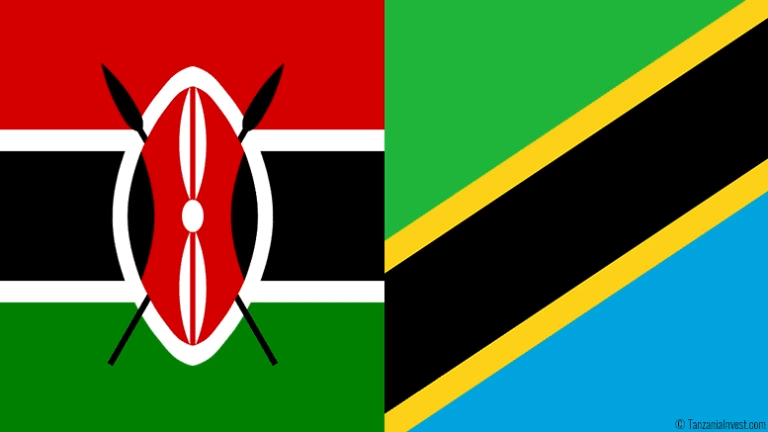
Introduction: More Than Just a Rivalry
When Kenyans and Tanzanians face off—whether in football, athletics, music, or business—the stakes always feel high. The playful digs on social media, the roaring stadiums in Nairobi or Dar es Salaam, and the passionate fans across East Africa all paint the picture of a rivalry that’s as old as independence itself. But beneath the surface-level competition lies a powerful force for growth, identity, and unity.
The Kenya–Tanzania rivalry is more than a clash of nations; it’s a source of inspiration and development. From sports to tourism, culture to diplomacy, this healthy competition continues to shape the region in unexpected ways. Let’s explore how this East African rivalry benefits both countries—and why Kenyans should embrace it.
1. Driving Sports Excellence Across East Africa
Sports form the most visible front of the rivalry. Matches between Harambee Stars and Taifa Stars, or athletic showdowns featuring distance runners from Eldoret and Arusha, captivate millions.
- Raising Performance Standards: Kenyan runners like Eliud Kipchoge and Tanzanian sprinters like Alphonce Felix Simbu push each other to higher levels. This competition sharpens skills, improves coaching, and ensures East African athletes remain world leaders.
- Regional Pride and Global Spotlight: A Kenya–Tanzania football derby doesn’t just excite fans—it brings East African football to international media coverage. Such exposure can attract sponsorships, better facilities, and foreign investment in sports development.
- Inspiring the Next Generation: Young athletes watching these showdowns learn that greatness isn’t confined to one country. Whether it’s a kid kicking a ball in Kibera or a sprinter training in Moshi, they’re inspired to dream bigger.
2. Stimulating Economic and Tourism Growth
The rivalry isn’t limited to the pitch or the track—it spills into hotels, restaurants, and airports.
- Boosting Local Economies: Big matches or cultural festivals drive cross-border travel. Fans spend on transport, accommodation, and local products. A CECAFA Cup game in Nairobi or a music festival in Zanzibar can inject millions into local economies.
- Showcasing Tourist Attractions: Kenyans visiting Serengeti for a match might decide to book a safari, while Tanzanians attending a concert in Nairobi could tour the Maasai Mara or climb Mt. Kenya. Such spillover effects deepen tourism links between the two nations.
- Encouraging Investment: When Kenya upgrades Kasarani Stadium to host bigger games or Tanzania expands its hotel industry for visiting fans, both countries strengthen infrastructure that benefits long-term development.
3. Celebrating and Reinforcing Cultural Identity
Few rivalries in Africa weave culture and competition so closely.
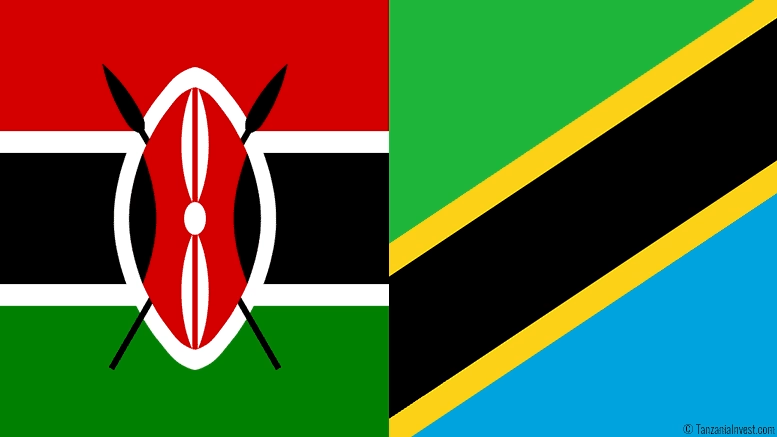
- Music Battles: Tanzanian Bongo Flava artists like Diamond Platnumz compete with Kenya’s Gengetone and Afro-pop stars for dominance on East African airwaves. These “music wars” energize creative industries, leading to fresher sounds and innovative collaborations.
- Language and Heritage: The rivalry sparks pride in Swahili culture. Kenyans and Tanzanians often debate whose Swahili is “purest,” which indirectly promotes the language’s use and preservation.
- Shared Traditions: Whether it’s the Maasai communities straddling the border or shared cuisines like nyama choma and pilau, the rivalry reminds both nations of their intertwined roots.
4. Fostering Regional Integration Through Healthy Competition
Kenya and Tanzania are not just rivals—they are partners in the East African Community (EAC).
- Benchmarking and Mutual Improvement: When Tanzania improves its ports, Kenya is motivated to enhance Mombasa Port to stay competitive. When Kenya advances in digital finance, Tanzania accelerates its mobile money services. This tit-for-tat improvement benefits the entire region.
- Strengthening Diplomatic Ties: Even during disagreements—such as trade disputes over goods or tariffs—the rivalry is balanced by collaboration on infrastructure projects like the Northern Corridor or cross-border energy deals.
- Building Unity Through Friendly Banter: Rather than escalating into hostility, the rivalry channels nationalism into entertainment and sports. This soft competition helps prevent serious political tensions.
5. Inspiring Youth and Entrepreneurship
The Kenya–Tanzania rivalry doesn’t just entertain; it creates opportunities for young people.
- Sports Dreams: Kenyan football fans filling Kasarani or Tanzanian crowds cheering in Dar es Salaam motivate children to train seriously in athletics or football academies.
- Creative Industries: The music competition fuels innovation—producers, videographers, and dancers all benefit as each side tries to outdo the other.
- Small Business Growth: Entrepreneurs sell jerseys, flags, snacks, or even themed events around rivalry games. From matatu operators to bar owners, countless small businesses profit.
6. Strengthening Diplomacy Through Soft Power
Even politics finds a friendlier stage in rivalry.
- Presidents in the Stands: When leaders attend matches or exchange playful comments, it sends a message of camaraderie. For example, joint appearances by Kenyan and Tanzanian officials at East African tournaments showcase solidarity.
- Peaceful Regional Relations: The rivalry gives citizens an outlet for national pride without escalating into conflict. The friendly nature of the competition proves that neighbors can compete fiercely and still cooperate.
7. Uniting the Public Through Entertainment and Social Media
In the age of hashtags and memes, Kenya–Tanzania showdowns dominate trending topics.
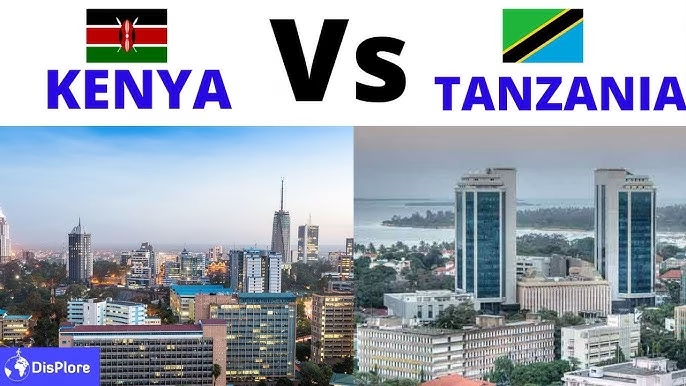
- Memes and Banter: Social media users exchange jokes, videos, and light-hearted trolling after every big game or music release. This builds a shared online culture and keeps regional discourse vibrant.
- Television Ratings and Sponsorships: Broadcasters benefit from high viewership, which attracts advertisers and injects money back into local industries.
8. Encouraging Innovation and Progress
The rivalry has also influenced broader sectors:
- Education and Technology: Kenya’s reputation as a tech hub pushes Tanzania to invest more in innovation, while Tanzania’s strides in renewable energy encourage Kenya to expand its green initiatives.
- Transport and Infrastructure: Competition to be East Africa’s top tourism and trade destination has led to investments in better roads, railways, and airports.
Conclusion: A Rivalry Worth Celebrating
The Kenya–Tanzania rivalry is a gift that keeps giving. It ignites passion, fuels ambition, and connects people across borders. Far from being a source of division, this competition has strengthened sports, enriched cultures, boosted economies, and enhanced diplomacy. See here https://charlies-travels.com/en/the-main-differences-between-kenya-and-tanzania/
As East Africa grows, this rivalry will remain a symbol of what healthy competition can achieve. When Harambee Stars face Taifa Stars or when Bongo Flava battles Gengetone on the airwaves, it’s not just about bragging rights—it’s about pushing each other to be better.
For Kenyans, embracing this rivalry means embracing progress. It’s a reminder that even the fiercest competitors can be partners in shaping a brighter East African future.
For more stories read at https://www.whispers.co.ke/
