

Introduction
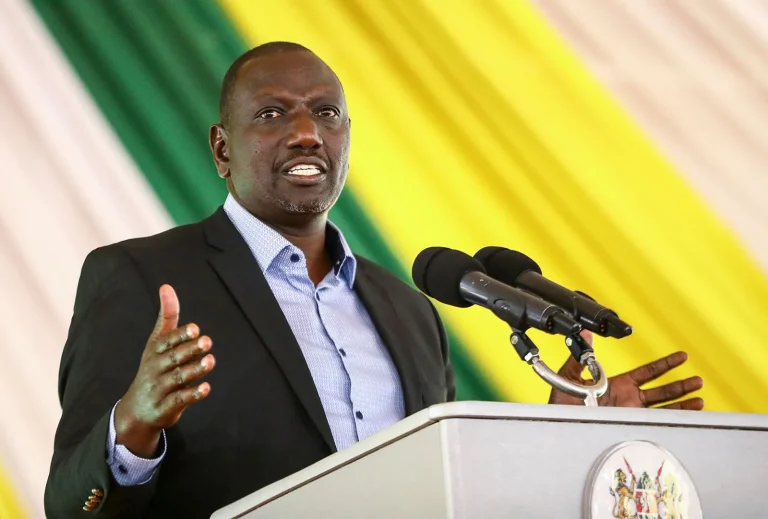
President William Ruto campaigned as a “hustler” — a self-made man who promised to uplift ordinary Kenyans and fight for those struggling under the weight of poverty, unemployment, and inequality.
But fast forward to today, and a very different picture has emerged. Across Kenya, frustration is growing. Protests are erupting. Hashtags are trending. And for many angry citizens — particularly Gen Z — Ruto’s presidency feels less like a fresh start and more like déjà vu.
Here’s a breakdown of why so many Kenyans are deeply unhappy with President Ruto’s leadership.
1. The Economy Is Crippling the Ordinary Kenyan Making them Angry
Ruto’s rise to power came with bold promises: lower the cost of living, create jobs, and build a bottom-up economy. Yet today:
- Fuel and food prices are soaring.
- Unemployment remains stubbornly high.
- The cost of electricity, internet, and transport keeps rising.
- The 2024 Finance Bill introduced harsh new taxes, making life even more expensive.
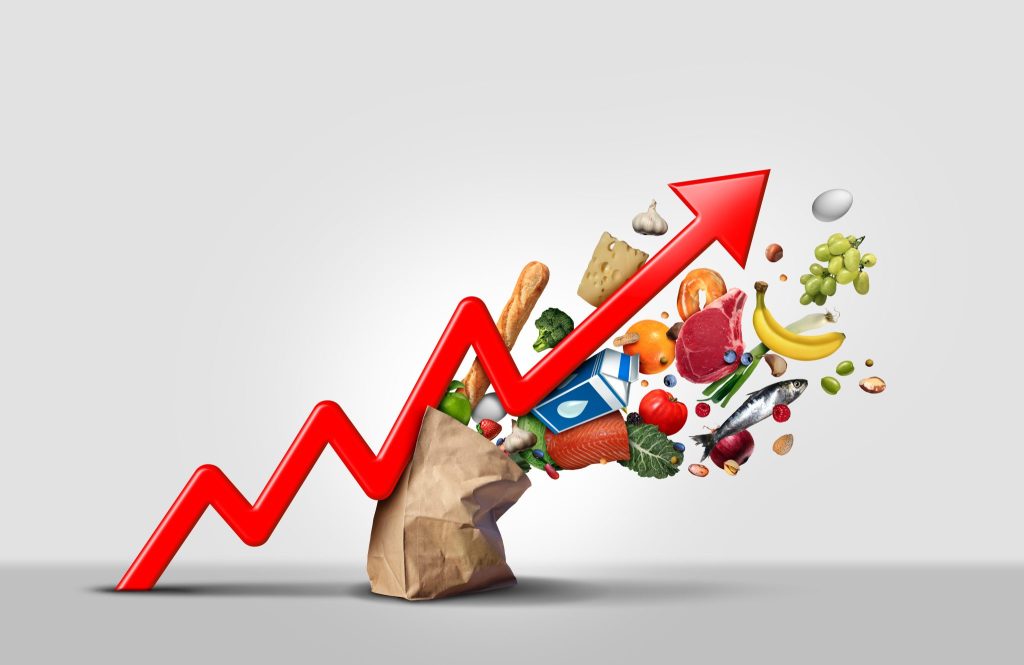
Figure 1: The cost of living in Kenya
Many citizens feel that instead of relief, they’ve been handed even more burdens.
2. A Leadership That Feels Out of Touch
What angers many Kenyans even more than the economic squeeze is the perceived arrogance from leaders in power. While citizens tighten their belts, politicians seem to live in a different reality:
- Lavish foreign trips with large entourages
- Expensive cars and unnecessary spending
- Dismissive comments from government officials about “sacrifice” and “patience”
This disconnect has eroded trust. The “hustler” narrative no longer resonates — it feels like a carefully crafted campaign slogan that has since been abandoned.
3. Police Brutality in the Face of Peaceful Protest
The protests against the 2024 Finance Bill were largely peaceful and youth-led. But the government’s response shocked the nation:
- Tear gas in the streets
- Live bullets in Nairobi and other cities
- Arrests of protestors and activists
- Reports of deaths during demonstrations
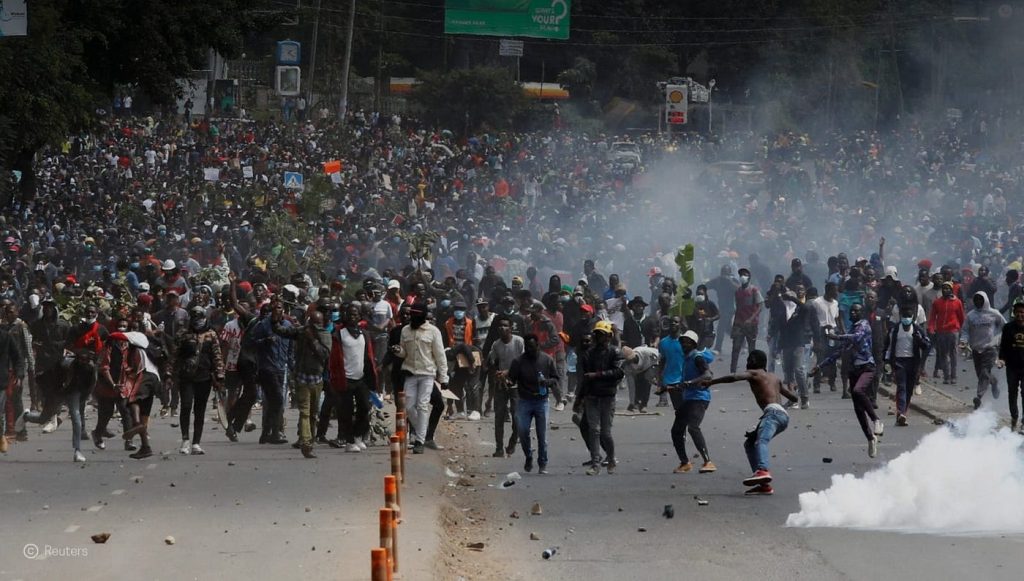
What began as a protest over taxes became a national outcry against state violence and democratic backsliding.
4. Kenya’s Youth Are Awake — and Unafraid
One of the most powerful developments in this political moment is the rise of Gen Z activism.
This generation, raised in the digital age, organized online, educated the public through infographics and livestreams, and led peaceful protests without political party backing. Their message was crystal clear: “We are tired. We won’t be ignored.”
From TikTok to Twitter (X), Kenya’s youth have reclaimed their voice — and they’re demanding accountability like never before.
5. The Collapse of the “Hustler” Brand
Ruto’s biggest political weapon was his image as an outsider — a man of the people. But that image is cracking:
- Political appointments have largely favored loyalists.
- Power seems to be consolidating within the same elite circles.
- His administration’s actions now resemble the very “dynasties” he once campaigned against.

To many, the betrayal feels personal.
Conclusion: A Country at a Crossroads
Not everyone hates President Ruto — but a growing number of Kenyans feel deeply betrayed. They see a government that promised change but delivered hardship. A president who pledged to listen, yet responds with silence — or force.
The protests of 2024 weren’t just about taxes. They were about truth, justice, and the power of the people.
If Ruto’s administration continues on this path, the backlash will only intensify. Kenya is changing — and its leaders must catch up. See more: https://www.bbc.com/news/articles/c93kv37qdeno
What Do You Think?
Are you feeling the effects of Ruto’s policies? Do you believe things can change? Share your thoughts in the comments below — your voice matters.
Also see: https://www.whispers.co.ke/94/tech/2025/how-startups-are-building-llms-with-less-data/
