

A Visit with Purpose
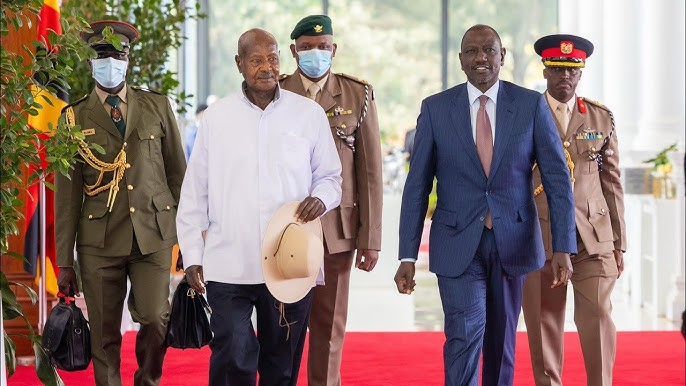
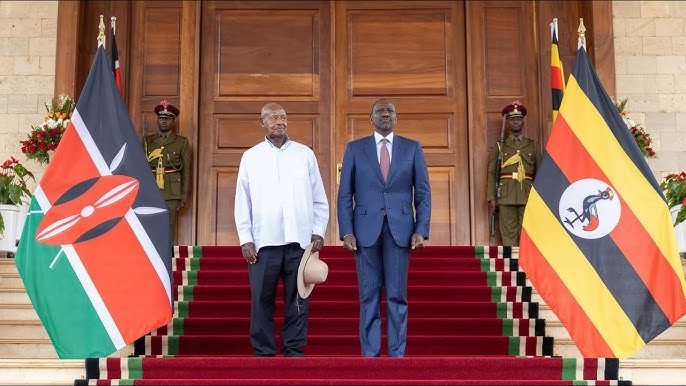
Ugandan President Yoweri Kaguta Museveni arrived in Kenya for a three-day state visit beginning July 30, 2025, following an invitation from President William Ruto. This visit is not just a routine diplomatic call—it signals a crucial moment in strengthening Kenya-Uganda relations at a time when East Africa faces both economic and geopolitical shifts.
Key Objectives of President Museveni’s Visit
1. Boosting Trade Between Kenya and Uganda
Uganda is Kenya’s biggest export market. A visit by Museveni aims to reinforce this relationship by removing barriers that have recently hindered trade—especially non-tariff restrictions at the Busia and Malaba border points. Both leaders will sign new bilateral trade deals to support a smoother and more efficient exchange of goods.
2. Energy and Oil Agreements
A major highlight of this visit is the agreement allowing Uganda National Oil Company (UNOC) to import refined fuel products directly through Kenya’s infrastructure. Previously, middlemen dominated the supply chain. This new arrangement will lower fuel costs in Uganda and reduce logistical delays, benefiting both economies.
3. Joint Infrastructure Projects
Kenya and Uganda are exploring ways to extend the Standard Gauge Railway (SGR) from Naivasha into Uganda. With shared goals of efficient cargo movement and stronger regional connectivity, this project could become a game-changer for East Africa’s trade routes.
4. Regional Security & Cross-Border Stability
The leaders are also addressing border-related conflicts in the Karamoja–Turkana region including cattle rustling, and the growing need for regional intelligence sharing. By collaborating more closely on these issues, Ruto and Museveni aim to create a more secure environment for investment and civilian life.
Why Now?
This high-level state visit comes at a critical moment. The East African region pushes for deeper integration within the EAC (East African Community). It also manages tensions in neighboring countries such as South Sudan, Somalia, and the DRC. Kenya and Uganda, long considered regional powerhouses, are positioning themselves as central players in resolving these issues and setting the pace for unity and development.
Museveni’s presence in Kenya is also symbolic because it shows that despite past disagreements on border protocols or trade bottlenecks, the two nations are committed to forward momentum.
Reactions on the Ground
Many Kenyans and Ugandans took to social media to express optimism about the renewed friendship. Twitter and TikTok were buzzing with messages like:
“This is what regional unity looks like. Welcome to Kenya, President Museveni.”
— @EastAfricaFirst
“Time to fix the border madness. Trade should be smooth by now.”
— @UgandanTrader254
Others are more skeptical, questioning whether new deals will actually be implemented or if this is just another photo-op.
What This Means for East Africa
President Museveni’s trip is more than just bilateral—it’s regional. The outcomes of this visit could set a precedent for how East African nations can collaborate on infrastructure, energy, trade, and peace. If the visit is successful it will not only boost Uganda-Kenya ties but also provide a framework for deeper regional economic integration. Read more here: https://www.theeastafrican.co.ke/tea/news/east-africa/ruto-museveni-deplore-trade-barriers-in-east-africa-5137378
Summary Table: Key Areas of Focus
| Focus Area | Expected Outcomes |
|---|---|
| Trade | Reduction in border delays and tariffs |
| Energy | Direct oil imports for Uganda via Kenya’s infrastructure |
| Railway Project | Planning for extension of SGR from Kenya to Uganda |
| Security | Joint efforts to stabilize pastoralist regions and improve intelligence |
| EAC Integration | Stronger diplomatic and economic leadership within East Africa |
Final Thoughts
President Museveni’s state visit is a timely reminder that diplomacy remains a cornerstone of regional development. As Kenya and Uganda continue to face challenges like inflation, insecurity, and slow infrastructure growth, their unity offers hope for a more stable and prosperous East Africa.
If these discussions lead to concrete action, this visit may be remembered as a turning point. Furthermore, it will not just in Kenya-Uganda relations, but in the broader journey toward African integration.
Read more stories onhttps://www.whispers.co.ke/
