

Kenya’s war on alcohol abuse has taken a bold new turn. In a sweeping move, the National Authority for the Campaign Against Alcohol and Drug Abuse (NACADA) has rolled out a set of tough new laws banning the sale, delivery, and advertisement of alcohol outside of licensed bar premises.
The decision is aimed at curbing underage drinking, ending illegal sales, and promoting responsible consumption — but it’s also sparking major concern from business owners and digital influencers across the country.
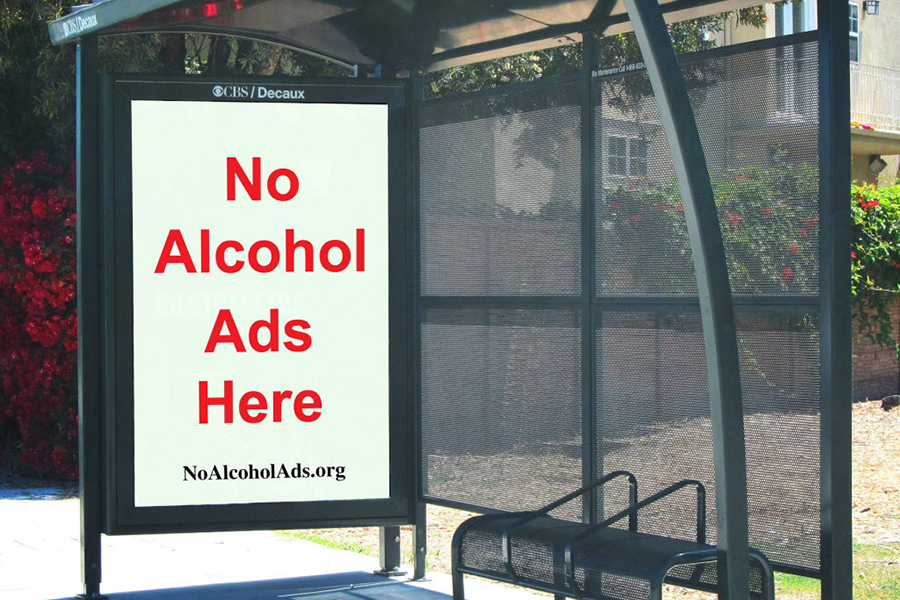
Alcohol Sale Restricted to Bars Only
The heart of NACADA’s new directive is clear: if you’re not a bar, you can’t sell liquor. All other outlets — even ones previously licensed for general retail — are no longer permitted to trade in alcohol unless they operate under a specific liquor license meant for bar services.
According to NACADA officials, the availability of alcohol in everyday spaces like shops, restaurants, and online platforms has created a dangerous level of exposure, especially among youth. The authority says this move will help protect families, reduce addiction cases, and bring order to a sector long seen as chaotic.
Where Alcohol Sales Are Now Illegal
Effective immediately, liquor cannot be sold, distributed, or delivered from the following locations unless they’re licensed as bar establishments:
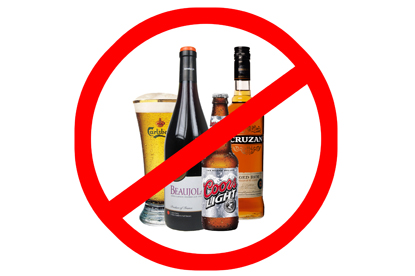
- Supermarkets and convenience stores
- Local groceries and kiosks
- Online shops and digital delivery platforms
- Home delivery and courier services
- Restaurants, cafés, and fast-food outlets
- Petrol stations and attached mini-marts
- Medical centres, pharmacies, and hospitals
- Sporting venues, stadiums, and gyms
- Temporary tents at events and public gatherings
- Residential homes or estate vendors
- Public parks, beaches, and recreational spaces
- Areas within 300 metres of schools, churches, and places of worship
- Matatus, buses, and any public transport vehicles
The new ban is all-encompassing — and anyone caught violating it risks license revocation, stiff penalties, or jail time.
Online Alcohol Ads Shut Down
In a move that hit the digital space hardest, NACADA has also banned the promotion of alcoholic beverages online. That includes:
- Sponsored influencer posts
- Paid video campaigns
- Digital giveaways or contests
- Targeted alcohol advertisements on websites and apps
This development is especially damaging for influencers, digital marketers, and alcohol brands that rely heavily on online campaigns to reach their audience.
How Influencers and Businesses Are Affected
For Kenya’s online creators and lifestyle influencers, the ad ban is more than just a restriction — it’s a financial blow.
Fewer Partnerships: Influencers who once collaborated with liquor companies to post branded content will now lose those deals. Many had built their entire digital careers on nightlife content, party culture, or alcohol-themed promotions.
Collapse of E-Commerce Sales: Online liquor stores and alcohol vendors who used platforms like Instagram, WhatsApp, or websites for delivery services will now have to shut down or rebrand.
Legal Risks: Even content that isn’t paid but shows alcohol in a positive light could be flagged. NACADA says anyone who encourages or normalizes drinking among youth through digital content may face prosecution.

Content Creators Self-Censoring: With these new rules, influencers need to start sanitizing their past content and avoid posting anything that hints at liquor use, events, or celebrations involving drinks.
One Nairobi-based creator said, “This hits my business hard. I’ve worked with at least four alcohol brands this year. Now that income is gone overnight.”
Other Key Regulations Included
Alongside the main bans, NACADA is also implementing:
- Tightened liquor licensing by counties
- Strict enforcement of bar opening and closing hours
- Heavier penalties for selling to minors
- Surprise inspections of bars and entertainment joints
- Zero tolerance for unlicensed alcohol vendors
County governments will have to move swiftly to enforce these new measures.
Mixed Reactions from Kenyans
Unsurprisingly, the new laws have sparked a public debate.
On one side are parents, teachers, and health experts who praise the crackdown. They say it will help reduce addiction rates, school dropouts, and alcohol-related violence.
On the other side are businesspeople, shop owners, restaurant managers, and digital creators who say the new laws are fast, lack consultation, and hurts livelihoods.
A restaurant owner in Mombasa asked, “I run a small licensed restaurant, and alcohol was part of our menu. Now we’re told it’s illegal overnight?”
What This Means Going Forward
Kenya’s alcohol landscape has changed drastically. For consumers, it means fewer places to access drinks. Implication for businesses entails restructuring or shutting down alcohol-related services. For influencers and brands, it means finding new markets or risk heavy fines.
NACADA has promised civic education to help citizens understand the new framework, but enforcement is already underway and with law enforcement and local governments expected to move fast.
Final Thoughts
NACADA’s ban on alcohol sales and advertising beyond licensed bars is one of the most aggressive reforms in Kenya’s recent history. Whether this turns to meaningful change or spark a new black market is a mystery. Check more here: https://www.citizen.digital/news/govt-moves-to-ban-online-alcohol-sale-influencer-marketing-in-new-policy-n367175
What’s certain is this: Kenya’s alcohol culture has entered a new, highly regulated era — and every seller, consumer, and content creator will feel the impact. Read more related stories: https://www.whispers.co.ke/238/news/2025/kenya-raises-legal-drinking-age-to-21/
