

Introduction: A Silent Epidemic
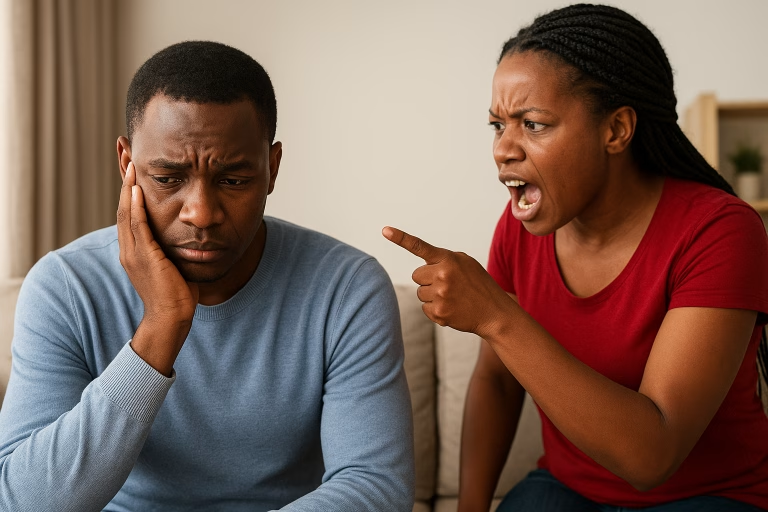
In Kenya, conversations about abuse usually center on physical violence or sexual harassment. Emotional abuse—manipulation, humiliation, gaslighting, and verbal attacks—rarely sparks the same outrage. Yet, its scars run just as deep. Psychologists warn that the effects of emotional mistreatment can last longer than physical wounds, often eroding a person’s self-worth and mental health.
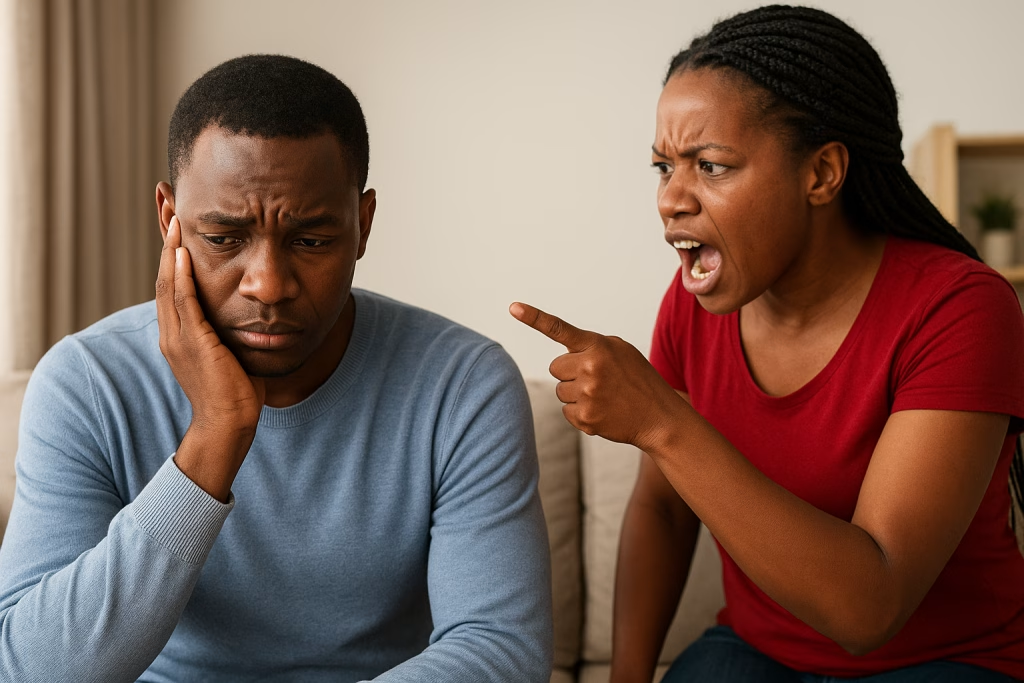
Despite laws such as the Protection Against Domestic Violence Act (2015) recognizing emotional abuse, many Kenyans continue to dismiss it as mere “quarreling” or “normal discipline.” To understand why emotional abuse remains overlooked, we must explore Kenya’s cultural, social, and economic landscape.
1. Cultural Norms and Social Conditioning
Kenyan culture values respect for elders, community harmony, and traditional gender roles. These values, while important, sometimes shield harmful behaviors:
- Patriarchal traditions: In many communities, men are viewed as heads of households whose authority should not be questioned. Emotional mistreatment by husbands or fathers is often normalized as leadership or correction.
- Respect for elders: Challenging an elder—even a verbally abusive one—is seen as disrespectful. Many victims stay silent to avoid appearing rebellious.
- Silencing through proverbs: Common sayings like “A man does not cry” or “A woman must endure for the sake of her marriage” discourage open conversations about emotional pain.
2. Limited Awareness of Emotional Abuse
While Kenyans are quick to condemn visible injuries, psychological wounds are harder to spot. This gap exists for several reasons:
- Minimal education on emotional health: Schools rarely teach about emotional well-being or toxic behaviors.
- Media focus on physical violence: Local news highlights gender-based violence when it turns deadly, but rarely examines the verbal or emotional patterns that precede physical harm.
- Mislabeling toxic behaviors: Gaslighting, constant criticism, or silent treatment are often brushed off as “marital issues” or “disciplining children.”
3. Fear of Stigma and Community Judgment
In a country where community reputation matters deeply, speaking up can feel risky:
- Fear of gossip: Victims worry their neighbors or church members will brand them as dramatic or disrespectful.
- Religious teachings on endurance: Some pastors and imams urge congregants to “pray and persevere” rather than seek separation or counseling. While faith is vital, this message can unintentionally silence victims.
- Victim-blaming culture: Abused partners—especially women—may be told they provoked the situation or failed in their duties.
4. Economic Dependence and Power Imbalances
For many Kenyans, economic realities trap them in abusive dynamics:
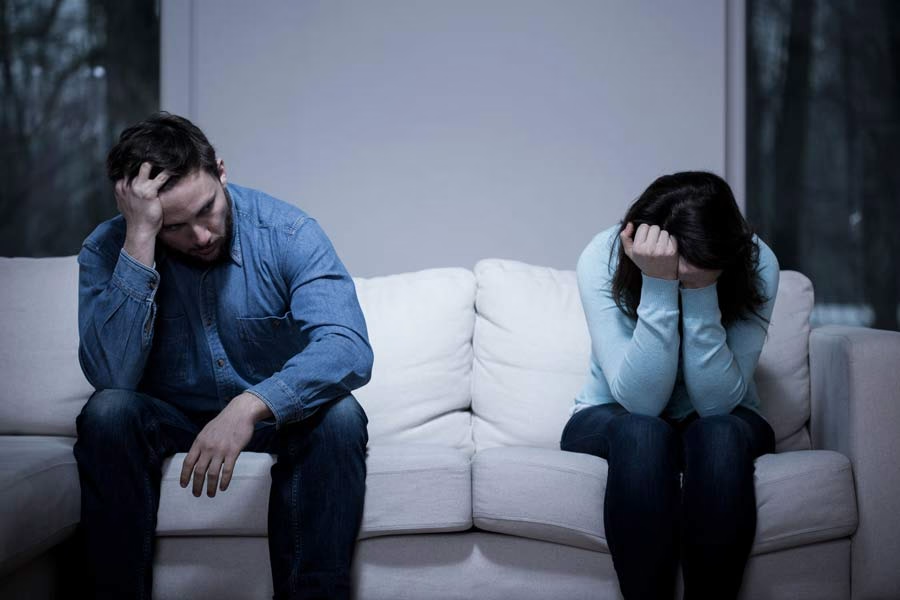
- Financial reliance: A partner who controls all income can use money as a weapon, making a victim afraid to confront emotional mistreatment.
- Limited safety nets: Kenya lacks robust social welfare systems, leaving victims with few alternatives if they leave a toxic relationship.
- Gendered opportunities: Women, particularly in rural areas, may have fewer economic opportunities, reinforcing dependence on abusive partners or relatives.
5. Normalization Through Media and Pop Culture
Kenyan TV dramas, comedies, and even music sometimes glamorize controlling or manipulative relationships. Sarcastic banter and verbal insults are framed as love or “just jokes,” reinforcing harmful patterns. On social media, phrases like “That’s just tough love” trend when influencers humiliate partners on camera.
This normalization can make young people believe that emotional abuse is part of romance or family life.
6. Weak Legal and Institutional Support
Kenya’s legal framework technically recognizes emotional abuse, but enforcement is inconsistent:
- Police attitudes: Officers sometimes dismiss reports as “family matters” not worth pursuing.
- Legal costs and delays: Court processes are expensive and slow, discouraging victims from filing complaints.
- Limited counseling services: Affordable mental health support remains scarce, especially outside major cities.
7. The Impact of Ignoring Emotional Abuse
The consequences of ignoring emotional abuse are profound:
- Mental health issues: Victims may develop depression, anxiety, or PTSD.
- Generational trauma: Children raised in emotionally abusive homes may normalize similar behaviors in their own relationships.
- Escalation to physical violence: Many domestic violence cases begin with verbal and psychological harm.
Ignoring emotional abuse not only harms individuals but weakens communities by perpetuating cycles of harm.
8. Signs of Emotional Abuse
Recognizing emotional abuse is the first step toward addressing it. Some common signs include:

- Constant criticism or humiliation.
- Manipulation or gaslighting (making you doubt your perception of reality).
- Silent treatment or emotional withdrawal as punishment.
- Controlling behaviors—monitoring your movements, isolating you from friends and family.
- Blaming you for their behavior or emotions.
9. Steps Toward Change in Kenyan Society
a) Public Awareness Campaigns
NGOs, media outlets, and influencers can use TV, radio, and social media to educate the public about emotional abuse. Campaigns like #StopEmotionalAbuseKE could normalize conversations around psychological well-being.
b) Engaging Faith and Community Leaders
Because religious leaders are influential in Kenya, their active involvement can shift narratives. Sermons and community forums can emphasize that enduring abuse is not a moral requirement.
c) Strengthening Legal Enforcement
The judiciary and police need training on emotional abuse and clear procedures for handling complaints. Fast-tracking cases could make justice more accessible.
d) Expanding Mental Health Resources
County governments and NGOs could invest in affordable counseling services. School-based mental health programs can also teach young people emotional intelligence and healthy conflict resolution.
e) Empowering Women Economically
Supporting women’s entrepreneurship, microloans, and job opportunities can reduce dependence on abusive partners.
10. What Individuals Can Do
- Educate yourself and others: Share information about emotional abuse within your circles.
- Offer nonjudgmental support: If someone confides in you, listen without blaming or pressuring them.
- Model healthy behavior: Demonstrate respectful communication in your own relationships.
- Use available resources: Groups like FIDA Kenya, LVCT Health, and Mental 360 offer counseling and legal guidance.
Conclusion: Breaking the Silence
Kenya’s resilience and sense of community are its greatest strengths—but they can only thrive when relationships are healthy and respectful. Ignoring emotional abuse undermines families, friendships, and even workplaces. By learning to recognize psychological harm, challenging harmful norms, and demanding better support systems, Kenyans can create a culture where emotional well-being matters just as much as physical safety.
Change begins with awareness. Conversations in homes, churches, schools, and workplaces must move beyond physical violence to address the invisible wounds many Kenyans carry. When emotional abuse is named and confronted, healing can finally begin. Read more about emotional abuse https://www.thehotline.org/resources/what-is-emotional-abuse/
Read related stories https://www.whispers.co.ke/756/relationships/2025/why-many-kenyan-men-are-stepping-back-from-dating/
