

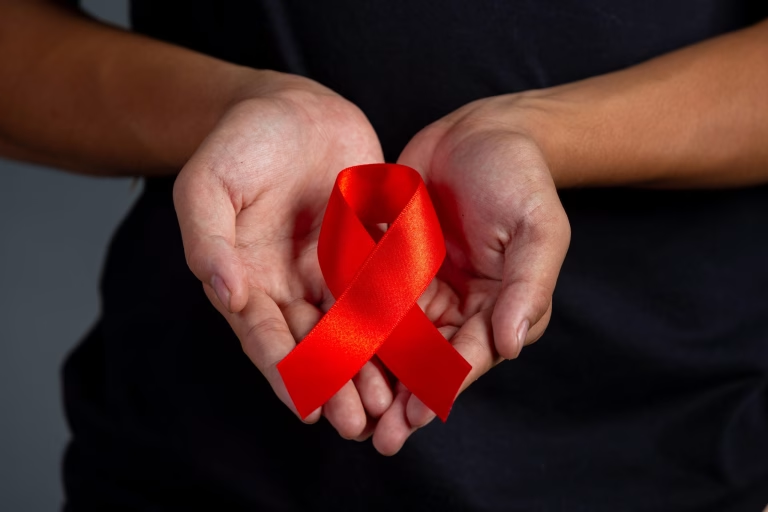
The fight against HIV in Kenya remains a top public health priority. According to data shared by the National Syndemic Diseases Control Council (NSDCC) and highlighted on social media platforms such as Mpashogram, 20,105 Kenyans contracted HIV in 2025. These figures shed light on both the progress and challenges the country faces in curbing new infections.

The Numbers That Matter
Breaking down the statistics:
- Total new HIV infections (2025): 20,105
- Men: 6,869 new cases
- Women: 13,236 new cases
These figures clearly show that women continue to be disproportionately affected by virus compared to men. Social, biological, and economic factors contribute to this gender disparity, highlighting the urgent need for targeted interventions.
Why Women Bear the Bigger Burden
Several factors place women at higher risk of contracting HIV in Kenya:
- Biological vulnerability – Women are biologically more susceptible to HIV infection during unprotected sex.
- Gender inequality – Limited access to resources and decision-making power in relationships can hinder safe practices.
- Cultural and societal pressures – Practices such as early marriages and lack of empowerment in negotiating condom use remain challenges.
- Economic dependency – Women, especially young women, are often more vulnerable to transactional relationships. See more https://www.hiv.gov/hiv-basics/overview/about-hiv-and-aids/what-are-hiv-and-aids
Kenya’s Ongoing HIV Response
Kenya has made great strides in virus prevention and treatment over the last two decades. Some of the notable efforts include:
- Increased access to antiretroviral therapy (ART): Over 1.2 million Kenyans are on life-saving medication.
- Pre-Exposure Prophylaxis (PrEP): Available to those at high risk, helping prevent new infections.
- Awareness campaigns: Ongoing education programs targeting youth and vulnerable populations.
- Testing and counseling services: Widely available in hospitals, clinics, and community outreach programs.
Despite these successes, the latest NSDCC figures show that new infections remain a major concern, and Kenya must intensify its fight against the disease.
What Needs to Change
To reduce new infections and achieve the UNAIDS target of ending HIV as a public health threat by 2030, Kenya should focus on:
- Gender-responsive interventions that empower women and girls.
- Youth-centered programs to tackle risky behaviors among young people.
- Community-driven approaches to challenge stigma and discrimination.
- Strengthening healthcare systems to ensure accessibility in rural and marginalized regions.
Conclusion
The NSDCC’s 2025 report serves as a wake-up call. With 20,105 new HIV cases recorded, the battle against HIV is far from over. While Kenya has made significant progress in treatment and awareness, more needs to be done to address the gender gap and tackle root causes fueling new infections.
Every statistic represents a real life impacted—and a reminder that the fight against HIV in Kenya must remain relentless. Read related story https://www.whispers.co.ke/749/health/2025/by-12-nlikuwa-na-vidonda-kwa-mjulus-johnte-how-a-one-night-stand-turned-to-a-nightmare/
