

Pastor Victor Kanyari, also known at times as Bishop Mwangi, is one of Kenya’s most talked-about religious figures. His ministry, Salvation Healing Ministry based in Nairobi, has attracted both large followings and intense controversy, making him a household name across Kenya.

Early Life and Background
Victor Kanyari was born in March 1983 in Loitoktok, Kajiado County. He left formal education early, reportedly during Form Two, and later founded Salvation Healing Ministry in the Njiru area of Nairobi. From humble beginnings, he rose to national attention through his charismatic preaching and media presence.
Kanyari’s story reflects a common pattern among Kenyan pastors: early struggles, strong personal faith, and a drive to connect with urban audiences through accessible, media-driven ministry.
Rise to Prominence
Kanyari’s ministry became widely known through several key initiatives:

- Seed-Offering Campaigns: He introduced the “Mbegu ya Sh310” campaign, asking followers to give KSh 310 in exchange for blessings, miracles, and spiritual growth. This initiative was both celebrated and criticized nationwide.
- Media Outreach: Using television, radio, and social media, Kanyari broadcast sermons, testimonies, and appeals, amplifying his reach beyond Nairobi.
- Miracle Narratives: His church became known for reported healings, including claims of water with miraculous properties.
- Digital Engagement: Platforms like TikTok and Facebook have allowed him to livestream sermons and fundraising campaigns, reaching younger audiences.
These strategies helped Kanyari build a devoted following while also attracting media scrutiny.
Controversies and Public Scrutiny
Kanyari has faced several controversies, which have shaped public perception of his ministry:
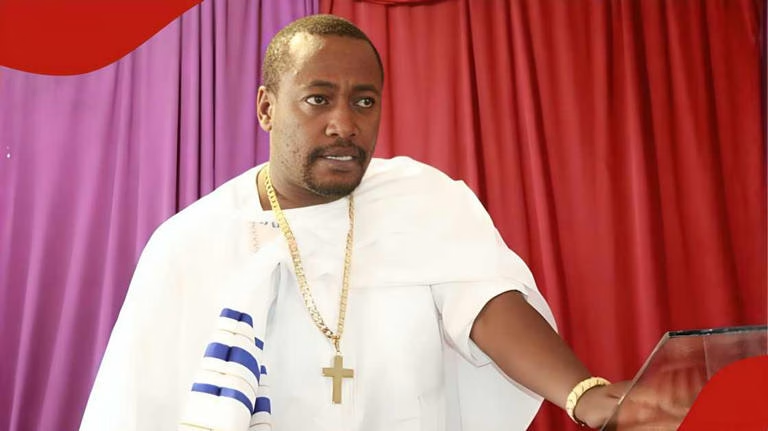
- Fake Miracle Allegations: In 2014, KTN’s investigative show Jicho Pevu exposed alleged staged miracles, including water-based “healing” demonstrations.
- Seed-Offering Admission: In 2024, Kanyari admitted that the Sh 310 scheme was partially motivated by personal financial hardship rather than purely spiritual goals. He revealed that during its height, he could make KSh 700,000 to KSh 1 million daily.
- Bethesda Pool: He built a water pool in his church, claiming it had healing properties, a move that drew criticism and public debate.
- TikTok Fundraising: Kanyari has solicited gifts during livestreams in exchange for blessings, raising ethical questions about digital fundraising.
- Unconventional Church Practices: In October 2025, a Sunday service featured nyama choma (grilled meat) inside the church hall, blending social gathering with worship and sparking debate online.
These incidents illustrate tensions between faith, financial practices, and public accountability in Kenya’s religious landscape.
Ministry Outreach and Community Engagement
Despite controversies, Kanyari’s ministry has positively impacted some communities:
- Distribution of food and small financial assistance to vulnerable congregants in urban areas like Mathare.
- Community-building activities that foster a sense of belonging among followers.
- Creative use of social media to reach and support younger congregants.
While some criticize these efforts as publicity-driven, many followers genuinely find hope, healing, and community in his ministry.
Lessons from Kanyari’s Ministry
Pastor Kanyari’s story offers insight into the intersection of religion, media, and society in Kenya:
- Faith and Prosperity: The “seed offering → blessing” model remains highly influential, reflecting a strong belief in the prosperity gospel.
- Media Influence: Television, radio, and social media amplify pastors’ reach, creating both opportunity and scrutiny.
- Regulation and Accountability: His ministry highlights the need for transparency and oversight in religious institutions, particularly those with significant income.
- Digital Fundraising Ethics: The rise of online platforms introduces new ethical and regulatory challenges for faith-based fundraising.
- Community Impact: Beyond controversy, the ministry demonstrates how urban populations seek spiritual, emotional, and social support.
Current Status
As of 2025, Kanyari remains an active and visible figure in Kenya’s religious space. His church continues to attract followers, and his ministry is adapting to digital platforms to engage supporters. While public debate over his methods continues, his story reflects broader trends in Kenya: the blending of faith, media, and social engagement in the modern era.
Conclusion
Pastor Victor Kanyari’s journey — from humble beginnings to a national figure — is a mix of charisma, controversy, and community engagement. His ministry highlights both the potential and challenges of modern Kenyan churches: how faith can inspire hope and belonging, yet also create ethical dilemmas when finances and spectacle intersect.
Kanyari’s story serves as a case study in understanding Kenya’s faith sector, the power of media, and the delicate balance between spiritual leadership and accountability.
Related Stories https://www.whispers.co.ke/
Follow us https://www.facebook.com/
